By Edmond Ortiz
Oct. 1 marked the start of Fiscal Year 2027 in 19 San Antonio suburbs, most of which adopted tight budgets and property tax rate hikes in response to a slump in taxable value growth, as well as escalating costs, and declining or expiring revenue sources.
Here’s a glance at approved budgets and property tax rates that are now taking effect:
Alamo Heights
Alamo Heights is increasing its property tax rate from 37 cents per $100 valuation to 42.6 cents, and its monthly solid waste service fee from $29 to $34. A separate $4 garbage collection fee hike is planned for fall 2028.
City officials said Alamo Heights underwent a slight decrease in the average homestead value from $887,627 to $885,505. Net taxable values have dropped nearly 2%. The new tax rate will raise the average local homeowner’s bill from $3,285 to $3,777.
Alamo Heights total budget contains $15.8 million for operational expenses, including the replacement of a garbage truck, a police vehicle, fire department equipment, City Hall renovations, and a 3.5% cost-of-living adjustment (COLA) for city employees.
Balcones Heights
Balcones Heights, which is keeping its property tax rate at 60.4 cents, is one of the few area communities to see a rise in its average homestead taxable value, from $202,086 to $239,682.
The suburb’s new budget features a $5.74 million general fund budget, higher than last year’s allocation of $5.70 million for daily operations.
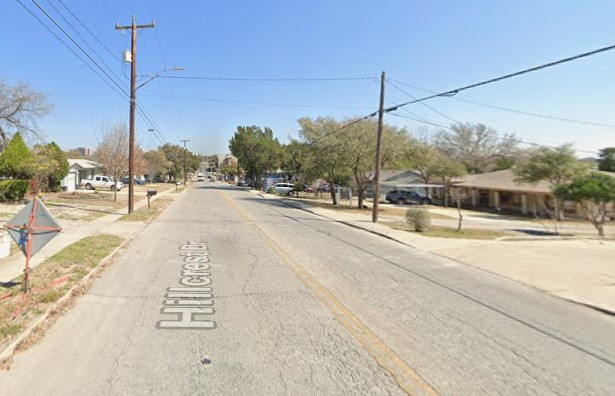
The town’s capital projects fund totals nearly $100,000 and includes funds to support a plan to rebuild Hillcrest Drive and modernize underground infrastructure on that corridor. Local leaders are also looking at permitting mixed-use zoning along Hillcrest to attract more redevelopment opportunities.
Castle Hills
Heading into the 2026-2027 budget cycle, a nearly $600,000 shortfall was projected for Castle Hills’ general operational fund. Facing a looming deficit and a nearly 5% decrease in taxable property values from last year, city officials developed a tight budget that is based on one of the larger property tax hikes happening in Bexar County, from 57.8 cents to 62.9 cents.
In order to address inflationary factors, Castle Hills officials arrived at a $9.21 million general fund budget, a jump from the $8.57 million approved in the Fiscal Year 2025-2026 budget.
The new total budget includes a 2.5% COLA, and money to cover initiatives such as the completion of projects funded by a 2023 issuance of certificates of obligation, replacement of public safety equipment, an assessment of street conditions for future road improvements.
Castle Hills also will use its hotel occupancy tax fund to promote and enhance its public sculpture garden. Additionally, the town is slightly raising its garbage collection rate to ensure what local leaders called long-term fiscal stability of solid waste services.
Cibolo
Cibolo has hiked its property tax rate from 52.2 cents to 55.1 cents, and the average homeowner’s tax bill is estimated to undergo a $114 increase in 2027 with the median homestead value rising to $339,677.
The new total budget includes a $1.3 million bump in the general fund to $26.3 million. The budget covers a job compensation/classification study, parks improvements, the launch of a tool loan program, three new public safety positions, and the engineering and design of a Bolton Road lift station and force mains project.
There is also funding for Phase 2 of the community center development, and support for a previously approved package of $4.5 million in certificates of obligation.
Councilmember Norma Sanchez Stephens shared her concerns about parts of the budget and certain recurring costs going forward, as well as the city’s plans to increase water, wastewater and drainage mitigation rates. Such rate hikes, collectively, would impact the average residential consumer by 8%, according to local officials.
Converse
Converse is increasing its tax rate from 46.5 cents to 51.1 cents to help support a new total budget, which features a $24.6 million general fund budget. That is up from $22.7 million in last year’s operational budget. The new budget includes the addition of two police patrol officers, and one firefighter.
Garden Ridge
Garden Ridge is raising its tax rate from 24.6 cents to 25.4 cents. The town budget contains $5.48 million in general fund spending, an increase from last year’s operational allocation of $4.50 million
Key expenditures include a 3% COLA, $100,000 for road upgrades, and funds for a new police vehicle, and loans to the water fund for the establishment of an emergency connection to the San Antonio Water System Vista Ridge water pipeline.
There is also money for construction of a line connecting Garden Ridge with Schertz’s sanitary sewer system to support commercial properties along Farm Road 2252.
Grey Forest
Possessing one of the lowest property tax rates in Bexar County, Grey Forest is raising its rate from 7.30 cents per $100 valuation to 7.42 cents, which will increase the average local homeowner’s tax bill from $50.61 to $50.96.
The new budget includes $1.36 million in general fund operational expenses, mainly for police and public works, a jump from the $1.35 million that the town spent last fiscal year.
Helotes
Helotes is increasing its property tax rate from 31 cents to 31.6 cents, resulting in an impact of $1,619 on the average homeowner tax bill, a slight increase from $1,614.
Local officials said Helotes’ total tax levy has been reduced from $4.02 million to $3.94 million, a product of a 2% drop in the median homestead value from $520,828 to $512,208.
Helotes’ new budget contains a $11.5 million general fund budget featuring a COLA, city software and technology upgrades, and small spending hikes for public safety and public works.
Hill Country Village
While considered in different circles one of Bexar County’s more affluent towns, Hill Country Village is projecting a nearly $500,000 reduction in property tax revenues, alongside decreases in permit fees and interest revenue. Local officials cited those factors behind their decision to increase the tax rate to 19.5 cents from 14.5 cents.
The city’s new budget includes $2.36 million in general fund expenses, where town leaders approved $2.30 million last year. The owner of an average homestead can expect to pay nearly $600 more on their next tax bill.
Hollywood Park
Hollywood Park’s new budget has $8.85 million for general fund operations – slightly lower than the $9.07 million that local officials adopted last year.
Projecting a $33,000 loss in property tax revenue from last year, the town is raising its property tax rate from 47.8 cents to 48.1 cents.
Kirby
Kirby is raising what is already one of the county’s highest property tax rates from 60 cents to 74.8 cents – a move that will boost the average homeowner’s tax bill 25%.
The tax hike and Kirby’s new budget split City Council, where members Susan Street, Maria Lozano and Christopher Garza opposed the tax increase and questioned several budgetary matters at their Sept. 24 meeting. Street’s repeated criticism prompted Mayor Janeshia Grider to order her removal from the council chambers.
The tax hike will help to cover the city issuing $15 million in certificates of obligation to support infrastructure projects, and enhance city facilities and departmental resources.
According to local officials, the tax increase is also meant to offset stagnant property values, and a projected drop in property tax revenues. Kirby’s new budget includes the elimination of a police detective position, and an animal control kennel technician position.
Live Oak
Live Oak is slightly increasing its tax rate from 38.6 cents to 39.8 cents, as the city experienced a slight dip in overall property values and a slowdown in sales tax revenue.
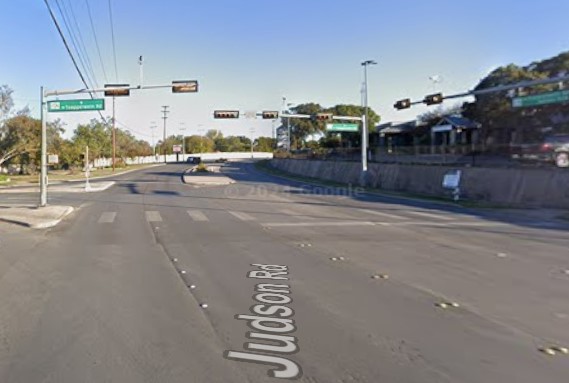
The town’s total new $37.9 million budget includes a 3.5% COLA, a 2.5% merit step increase for eligible personnel, the addition of a franchise fee for solid waste collection, and initiatives such as upgrading the Toepperwein/Judson road traffic signal, and expanding the scope of construction of the Woodcrest Park parking lot, and a clubhouse/Eagle Scout trail.
Leon Valley
There is no change in the property tax rate in Leon Valley, where, thanks in part to a small decrease in homestead taxable values, the average homeowner will see their tax bill go down more than $4.
Local officials raised general fund operational expenses in their new budget by more than $600,000 over last year. Leon Valley’s new budget includes money for firefighter breathing apparatuses in addition to other fire department equipment, new public works and animal control services vehicles, plans for a new public works facility, and continued construction of a trail near Huebner Creek. The city also aims to use a $200,000 grant for a new pool.
Olmos Park
Olmos Park’s tax rate is rising from 51.1 cents to 55.5 cents, resulting in a nearly $400 jump in the average homeowner’s tax bill. According to town officials, the average homestead taxable value went down from $1.17 million to $1.15 million
Olmos Park’s new total budget features a general fund budget decreasing from $6.11 million to $5.73 million, with smaller allocations for public safety and public works.
Shavano Park
Shavano Park hiked its property tax rate from 31.2 cents to 33.5 cents while accounting for a 1.34% decrease in taxable property values, and lowered permit revenues.
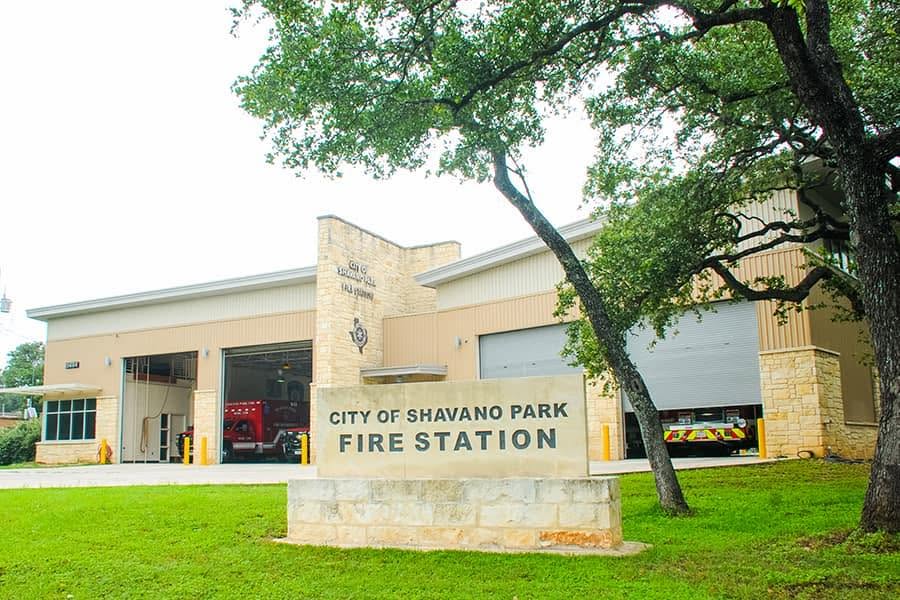
The town’s new budget features a rise in general fund operational spending, from $7.36 million to $7.52 million. Budget highlights include a 2.8% COLA for all city employees, a 2.5% step increase for certain workers, the planned acquisition of two replacement ambulances over next few years, and a digital kiosk for the City Hall lobby.
The city also plans to use its community enhancement and engagement fund to support a trail connection between Cliffside Drive and Salado Creek hike and bike trails.
Shavano Park did make slight cuts in personnel, nixing one full time police officer manager position, and turning a full-time permit clerk position into a part-time position.
Schertz
Schertz is increasing its tax rate from 51.1 cents to 52.9 cents as local officials assess declining property values and a slight slowing down of sales tax revenues. Still, the average homeowner can expect to receive a $1,830 tax bill – a nearly 8% jump over last year’s assessments.
The new total budget includes a maximum 4% pay increase for non-uniformed employees, a maximum 4% merit pay hike for eligible uniformed workers, and the addition of 14 positions.
The new budget also has a one-time increase in street maintenance improvements of $10 million to be used over the next five years, $400,000 for a traffic signal at Schertz Parkway and Wiederstein Road, and $315,500 for traffic safety upgrades.
Selma
Selma officials reported a reduction in property tax revenue from $1.81 million to $1.75 million over last year, but the outlook on sales tax revenue looks promising.
Selma’s new budget includes a $16.7 million allocation for daily operations, barely an increase over the $16.6 million general fund budget adopted last year.
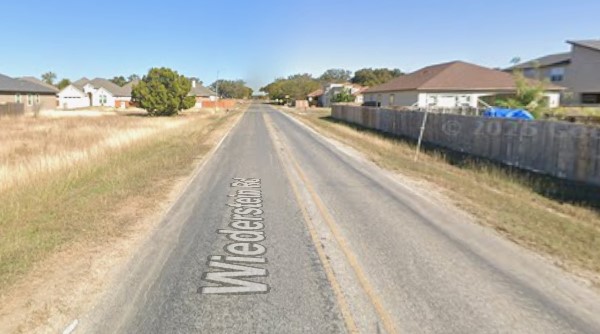
The new budget covers road and pedestrian improvements along the southern portion of Lookout Road, reconstruction of Wiederstein Road in the Live Oak Hills subdivision, a traffic signal warrant study at Jordan and Lookout roads, and equipment for the public safety and public works departments.
Universal City
There is no tax rate change in Universal City despite stagnating property appraisals and a 3.3% drop in taxable values. The average homeowner will see a nearly $53 cut in their next tax bill.
The town’s new $22.7 million general fund budget is slightly higher than last year’s $20.5 million operational budget. The new budget features the replacement of two police vehicles, police car and body cameras, a new public works lift truck, fire department equipment, a parks reservation system, and the rehabilitation of water and sewer lines in planned street project areas.
Windcrest
Windcrest’s tax rate is rising from 44.6 cents to 53.1 cents, as officials deal with a 2.3% drop in the local average homestead value. The average homestead tax bill is going up from $1,425 to $1,657.
Windcrest’s $12.7 million general fund budget is about $2 million higher than last year’s operational budget.
The new budget covers the addition of three fire department positions, a 3% COLA, upgraded security and equipment at the City Hall complex, a replacement fire department brush truck, a firefighting mini-pumper, a new public works truck, and a new animal control services van. It also reflects an increase in the $8 residential garbage fee.