By Edmond Ortiz
CPS Energy and the San Antonio Water System are now officially part of the city’s efforts to stop or stall the federal government’s plan to develop a local detention center to house undocumented immigrants.
With the prospect of litigation also under consideration, San Antonio officials seek to use as much power that they and other local governments have when it comes to countering the Trump administration’s installation of detention facilities, and tactics being employed by immigration agents.
What is happening
City Council voted 9-2 Oct. 8 to formally ask the two utilities to perform environmental impact assessments at 542 SE Loop 410, the site of the Immigration and Customs Enforcement’s (ICE) proposed detention facility.
The government earlier this summer purchased Oakmont 410, a vacant, nearly 640,000-square-foot warehouse with plans to retrofit the building to house up to 1,500 ICE detainees.
The Trump administration’s plan to erect what it calls a “processing center” inside San Antonio city limits and ICE’s growing presence across the San Antonio area have alarmed many local political officials, grassroots activists and community organizations, who have asked the city to see if it has any power to keep the federal government from activating the facility.
Similar “processing centers” already exist in towns south of San Antonio, including Dilley, Pearsall and Karnes City. According to the Texas Immigration Law Council, Texas has the biggest number of immigration detainees in the United States, with 18,000 individuals estimated to be housed across 25-plus facilities.
Activists and members of Congress such as U.S. Rep. Joaquin Castro have railed against purported conditions of such detention centers, adding that most individuals, including young children, have been detained far longer than the few days that the federal government claims it would keep them there for processing.
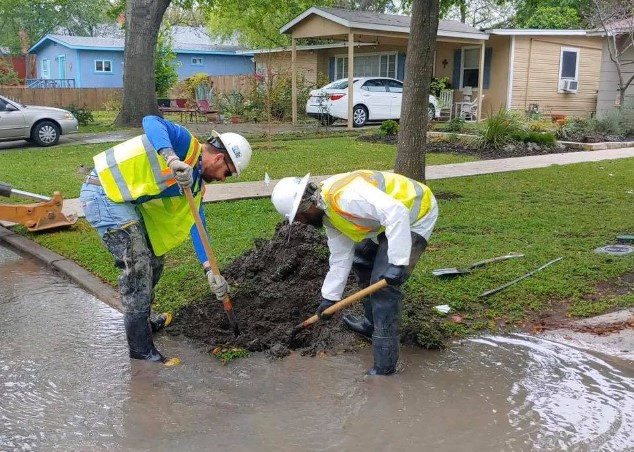
Mayor Gina Ortiz Jones, and Councilmembers such as Jalen McKee-Rodriguez and Teri Castillo spent the last few weeks asking city staff to place on a meeting agenda an item to formally request an evaluation of the detention center, how its operations could affect electrical and water demands, and how those demands might impact SAWS and CPS Energy ratepayers, as well as the city’s water supply and power capacity.
To that end, council amended the main motion to ask city departments to determine how the ICE detention center could possibly affect basic city functions, such as emergency response times, and road and drainage infrastructure.
What they are saying
Critics have been moved to rally against ICE in recent gatherings, such as an Oct. 3 march to Oakmont 410 site for a protest, and a Sept. 25 protest in Balcones Heights to oppose that city’s law enforcement agreement with ICE.
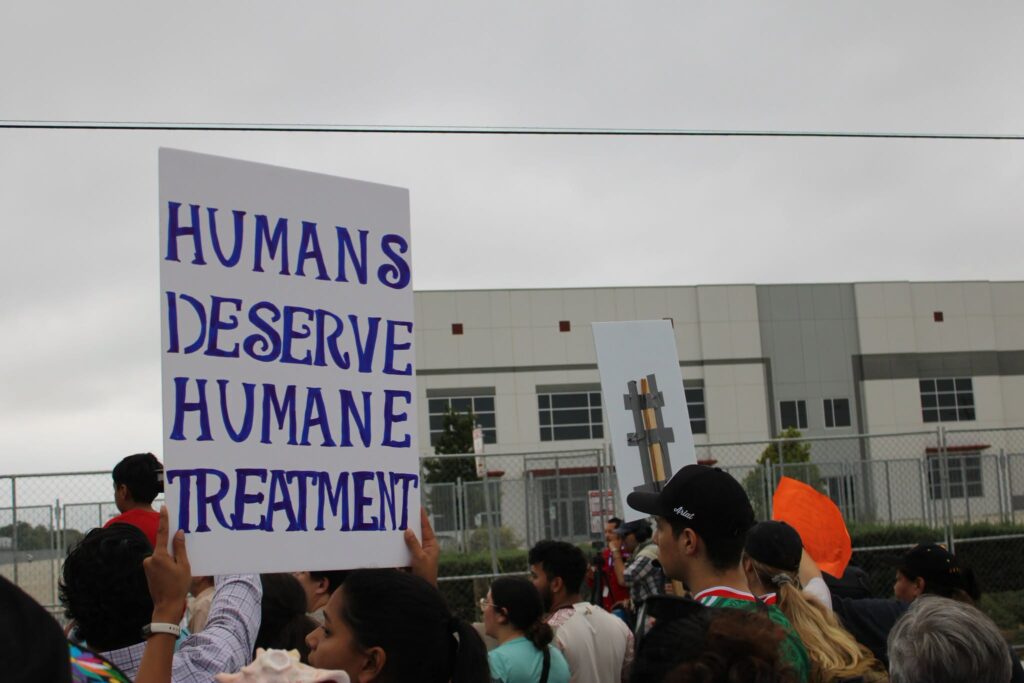
Several detractors of ICE and its actions addressed the council Oct. 8, urging city officials to do what they can to stop or slow down the Trump administration’s further encroachment in San Antonio with regards to immigration enforcement.
Some speakers called ICE’s actions a form of government overreach that sparks fear in communities of color, and endangers the lives of many innocent people. ‘
Other speakers encouraged city officials to demand from the federal government public transparency and accountability regarding the attempted establishment of detention centers, and how ICE agents interact with local law enforcement personnel and civilians at large.
Additionally, Jones said City Attorney Andy Segovia is reviewing grounds for a potential lawsuit against the federal government. One possible claim, local officials said, might be that the Trump administration has not yet provided an environmental impact assessment of a proposed federal facility as required by federal law.
If San Antonio decides to litigate the proposed ICE detention facility, it will join a growing number of cities and states that are escalating levels of legal action and other methods to counter ICE and Customs and Border Protection (CBP) in communities nationwide.
“This independent assessment, we hope, will strengthen any legal action that the city decides to take in the future,” Carolina Canizales of the Immigrant Legal Resource Center told council. “We definitely urge you to ensure that the assessment uses multiple agencies and utilities. That’s so important. We have to look at it in a very holistic way.”
San Antonio Alliance President Alejandra Lopez said her labor union supports the independent assessments and any efforts by the city to advance transparency surrounding cooperation between ICE and the San Antonio Police Department.
“Workers across our city deserve safety, dignity and respect. Immigrant workers, students, and their families, and the communities of which they form a vital part should feel feel safe as they go about their daily lives,” Lopez said. “For more than a year, San Antonians have experienced ICE arrests in our streets outside of our schools, restaurants, courthouses and places of worship.”
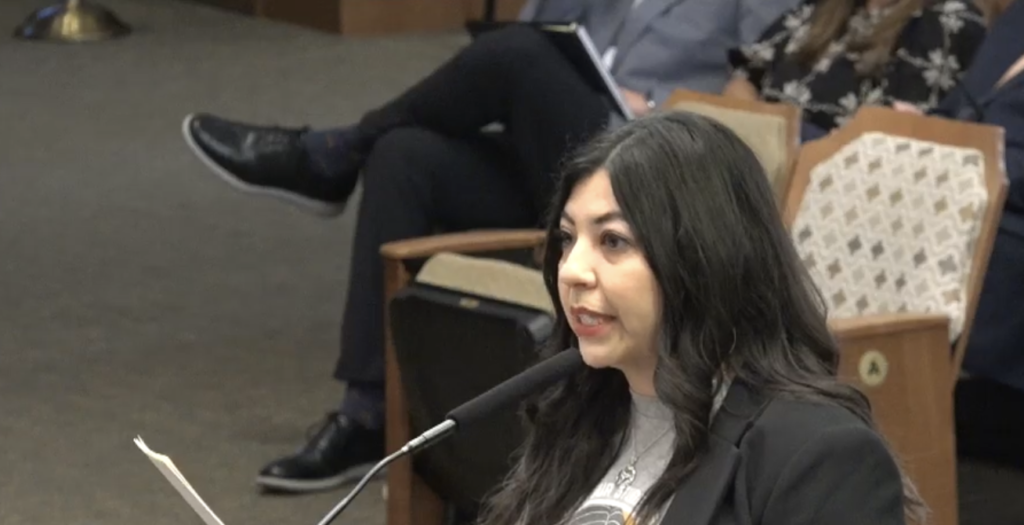
The council’s two lone conservatives, North Side representatives Misty Spears and Marc Whyte, voted no on seeking the utilities’ assessment of the local detention center, saying the federal government has the right to enforce immigration laws in a way it sees fit and to maintain public safety.
McKee-Rodriguez was more blunt in his endorsement of the city finding ways to counter the federal government’s moves against illegal immigration: “ICE has no place in our community, and if I have my way, this facility will not open, and I will support legal action. This is an area where I think the vast majority of us are on the same page. So, with this vote, we’re taking a formal step toward arming ourselves with more data and information.”
What is next?
Bexar County commissioners are slated to meet this month to consider the county’s legal options against the federal government regarding the proposed detention facility.