By Edmond Ortiz
A delayed and slightly adjusted four-year series of water and wastewater rate increases for San Antonio Water System customers will be implemented at the start of 2027.
What you should know
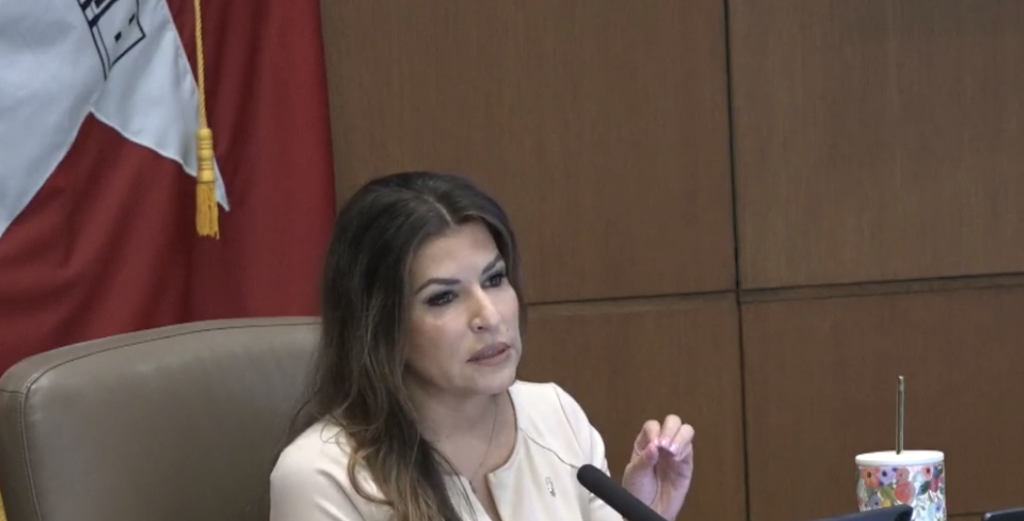
City Council voted 8-3 Oct. 8 to adopt SAWS’ new rate hike plan, which council rejected last June. That is when the city’s top elected leaders shared worries about customers’ inability to swallow a rate hike in a time of inflation, rising costs of living, and job instability.
Many council members last June demanded SAWS go back to the drawing board and return with a revised rate plan with a program for identifying and eliminating operational inefficiencies, among other potential cost-cutting measures.
One thing is certain: SAWS residential ratepayers will still see a 6.9% increase, or a nearly $4 uptick, on their monthly bill beginning next February. A 6.5% hike is planned for 2028.
The utility has also scheduled a minimum and maximum range of planned rate increases in 2029 and 2030. SAWS proposed a 7.0% ceiling and a 4.5% floor for 2029, and a 6.6% maximum and 4.4% minimum for 2030.
In spite of concerns about an overall rate hike, council agreed to amend SAWS’ plan and lower the 2029 ceiling to 6.8% and 2030 ceiling to 6.2%.
Additionally, SAWS plans to not increase rates for Uplift program customers, and aims to expand program eligibility to enroll more low-income customers, and boost assistance funding by $550,000.
What they are saying
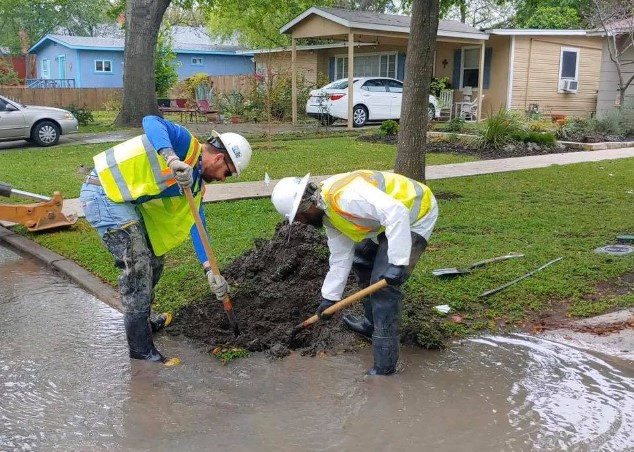
SAWS President/CEO Robert Puente said the utility’s planned rate hikes are needed to help support critical near-term issues, such as repairing 70-plus miles of deteriorating pipelines, and long-term capital projects. Even with the new rates, San Antonio would rank third among the most populated U.S. cities in terms of lowest average water bills.
But Puente acknowledged that council’s directness about the rate increases last June, saying it opened up frank and open discussions between the city and SAWS about how the utility can function more cost-efficiently, respond faster to emergencies, and better focus on saving customers money.
Puente added that, even with lowering the maximum rate increases in 2029 and 2030, SAWS remains committed to coming back to council beforehand to justify those hikes. He added that the utility will continue to prioritize operations and capital projects that reduce risks for the city and ratepayers, and maintain public safety.
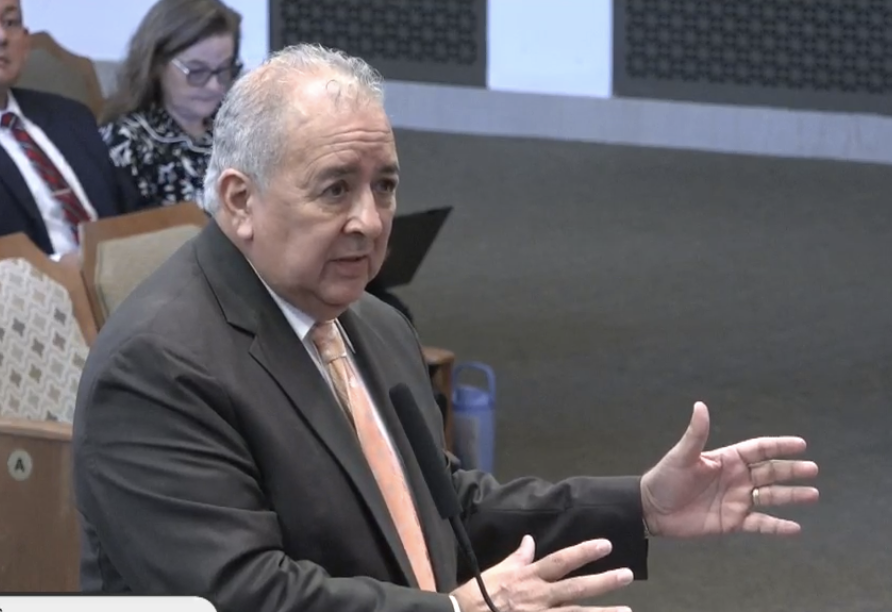
“Our conversations have gone well beyond rates. You have raised questions about how SAWS makes decisions and how those decisions affect your constituents and how we coordinate with your offices regarding those decisions we make,” Puente said.
“I believe those discussions have created an opportunity for a more open, practical and responsive working relationship. That means, not simply explaining our existing policies, but a willingness to examine how they serve your constituents, our ratepayers,” he added.
Council’s two conservative members, Marc Whyte and Misty Spears, cast dissenting votes, saying this is the wrong time to raise rates.
Whyte also lamented SAWS not going through an independent, third-party audit this year, a concern shared by some council members. Spears said the utility needs to produce a more proactive plan for implementing cost-efficient operations, and should return to council more frequently to update local leaders on projects, operations and efforts at greater transparency.
Jalen McKee-Rodriguez was the third council member to vote “no” on SAWS’ rate plan. He said he understood the need for the utility to invest in its staff and initiatives. But he added that SAWS needs to further prove a willingness to make more budget cuts where possible, and show its ability to conduct repairs and projects in a smooth way that does not negatively affect constituents in their own neighborhood.
“There’s issues with accountability, quality of projects, work with contractors that I don’t know. I don’t know that you’ve taken the steps to resolve those issues in a way that I think the moment demands,” McKee-Rodriguez said.