By Edmond Ortiz
City Council will meet June 18 to mull the San Antonio Water System’s proposed four-year rate plan that includes a nearly $4 monthly increase on the average SAWS customer’s bill.
Even though the proposed rate hikes are now slightly lower than what SAWS initially unveiled, a few council members are worried that the increases could adversely affect vulnerable ratepayers amid SAWS’ struggles to keep up with such challenges as water leaks.
What you should know
Council was briefed June 10 on SAWS’ 2026-2029 rate plan, which SAWS trustees approved May 19. If approved by council, revenue from the new rates will help to support SAWS’ $3.2 billion, five-year capital improvements plan.
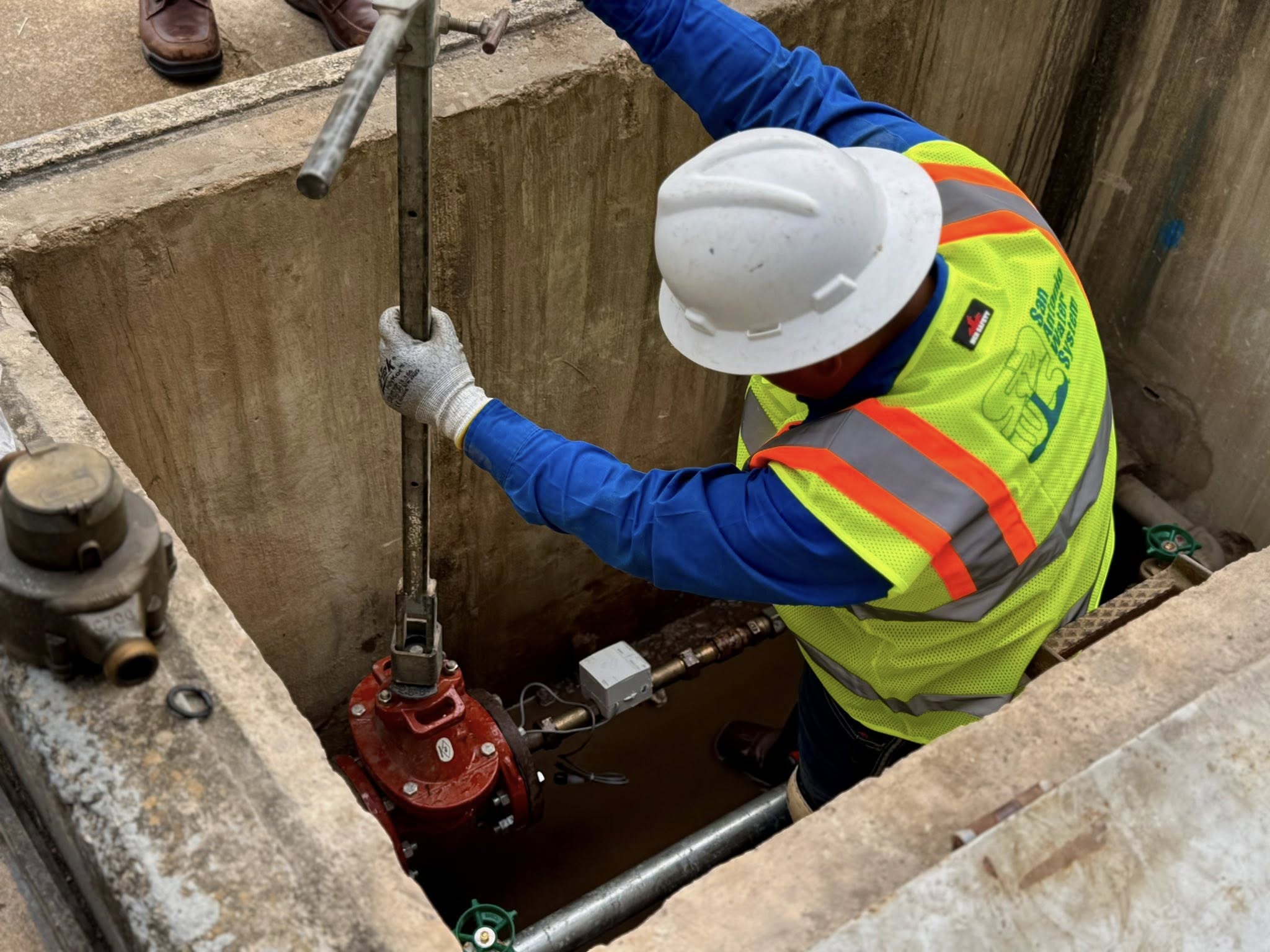
Officials with the utility have said the planned upgrades include leak stoppages, replacement of high-risk water pipes, modernization of overall system infrastructure, fixes to decades-old wastewater plants, and installation of backup generators.
The new rates will go into effect on or after July 1, and changes to SAWS bills will begin appearing in August.
The average SAWS residential customer currently pays $56.68 per month for water and wastewater service. That amount was estimated to rise to $61.15 starting in August under SAWS’ initial plan.
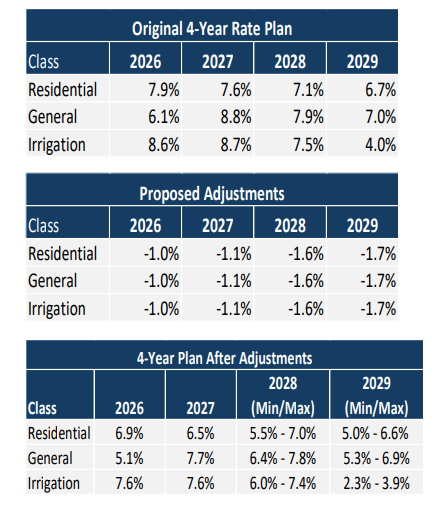
But with feedback from city staff, SAWS agreed to reduce bits of its original rate plan. Initially, residents were slated to see a 7.9% increase in their overall yearly total bill, but SAWS has lowered that amount to 6.9%, as reflected in city staff’s recommendation to council.
Additionally, commercial, apartment complex and industrial customers and irrigators are set for rate increases, but those amounts have been slightly cut from SAWS’ original plan, too.
While rate hikes are firm for 2026 and 2027, SAWS is programming a range of guaranteed minimum and maximum hikes for 2028 and 2029.
If SAWS were to seek anything more than the guaranteed minimum rates in those years, the utility would need to consult with city staff and council.
Additionally, the SAWS board’s approval of a new rate program means amending the utility’s 2026 budget, where utility officials also agreed to follow through with recommendations from an operational efficiency study.
One recommendation was the elimination of 48 staff vacancies resulting from the conclusion of SAWS’ effort to modernize its water meters systemwide. The 2026 SAWS budget still added 37 positions.
What they are saying
SAWS has been holding meetings citywide to inform community members about the proposed rate changes and why they are necessary.
Utility officials have insisted that delaying capital improvement projects would be more costly down the line, and put SAWS at risk of fines and penalties because specific projects, such as placing emergency generators at pump stations, must be done in a timely manner to comply with a new state law.
City leaders have been holding their own public forums to get input and questions from ratepayers, as well. SAWS leaders pledge to return to council this fall if council says no to the current rate proposal
SAWS officials say, even with the rate hikes, the average SAWS residential customer will receive bills that are among the lowest in major Texas cities.
SAWS officials added that the average ratepayer could see a monthly bill that is still lower than the typical $64.29 charge they received in 2022.
According to utility officials, a November 2025 customer survey revealed that 48% of respondents would be willing to pay $5 to $7 monthly to help support major infrastructure improvements, such as replacing aging pipes.
“We have conducted over 60 community meetings, including neighborhood and homeowners’ association meetings,” Cecilia Velasquez, vice president of customer experience, said in a statement. “I can attest that after we explain the need for the rate adjustments, we have not received pushback from the attendees.”
But on June 10, Councilmember Marina Alderete Gavito said many of her District 7 constituents are already frustrated with high gas and grocery prices, rising living expenses, and now frequent water leaks. Aldrete Gavito said she understood local utilities’ need to adjust rates as needed, but she was not prepared to back SAWS’ current proposal.
“I’m not confident in this plan, especially when I’m seeing (leaking pipes) like I saw this week,” she added.
SAWS President/CEO Robert Puente said frequent leaks are one of the main reasons driving the utility to revise its rates to help fund a series of infrastructure improvements.
“We have to spend money on a replacement project that helps us get ahead and identify the water lines that need to be changed out,” he added.
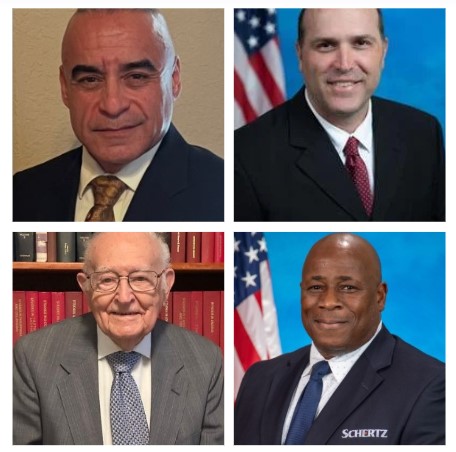
SAWS trustees, including Mayor Gina Ortiz Jones, endorsed the rate hikes based on how they are designed to help support long-range infrastructure improvements.
Board member Gregory Mann admitted May 19 he was at first skeptical about the rate increases. He then came to understand how the new revenue will be spent on capital improvements as well as daily maintenance and operations.
“It’s never a good time to spend money, but if we’re going to spend money, let’s invest it in our future,” Mann said.
Where ratepayers can get help
SAWS’ Uplift program assists eligible customers who need help with paying their utility bills or risk service disconnection. Part of the new rate plan calls for raising the annual gross household income threshold for Uplift customers from 125% of the federal poverty level to 150%.