By Edmond Ortiz
San Antonio’s mayor is wanting feedback on a local panel’s recommendations meant to help increase voter participation and civic engagement.
The recent unveiling of the panel’s report comes as voting advocacy groups are re-emphasizing the importance of voter engagement against a background of attempts to dismantle legal voter protections.
What is happening in town?
San Antonio residents have until 5 p.m. July 31 to provide feedback on proposals released in early July by the Mayor’s Commission on Voting.
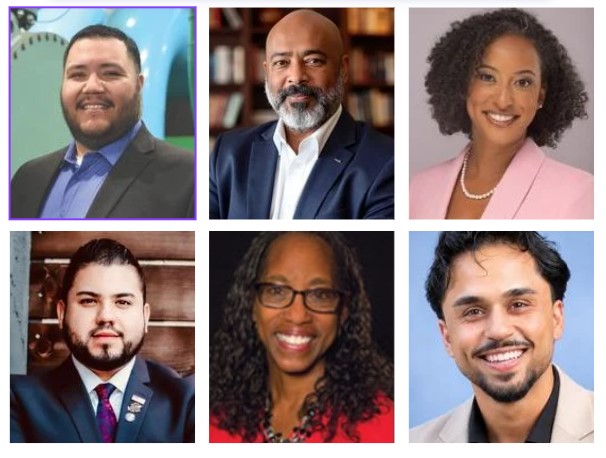
Jones established the appointed 12-member commission last May to find ways to unify local elements of civic participation infrastructure, raise voter turnout, lower barriers to reliable voting information, and bolster outreach to historically underrepresented communities.
The commission’s nine recommendations are:
- Transform the city’s communications and engagement department into a dedicated office of civic participation with expanded authority, mission and community accountability;
- Leverage city administrative and fiscal authority to incorporate civic participation access across all city-funded venues, events, projects, and partners
- Establish a civic engagement nonprofit coordination roundtable as a collaboration hub
- Create a city-supported community civic engagement fund and strategic corporate partnership program to sustain nonpartisan civic participation infrastructure in San Antonio
- Launch a city-supported “culture of voting initiative” to build long-term civic participation habits among San Antonians
- Set up annual municipal civic participation goals
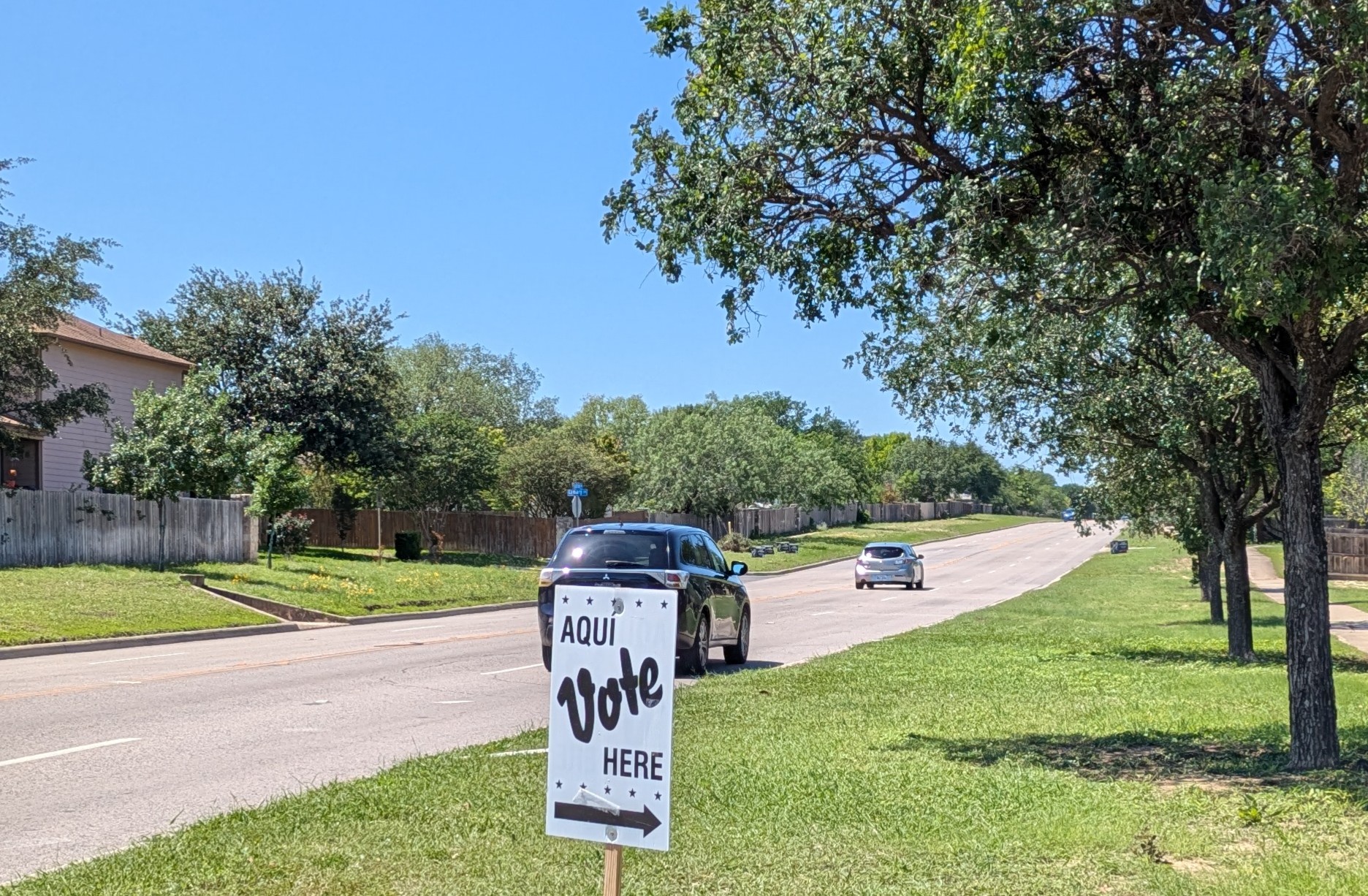
- Expand polling location availability during city, bond and local ballot initiative elections
- Establish a city-managed centralized voting information hub with proactive multichannel outreach
- Standardize dormitory addresses for voter registration purposes across local university and college campuses
The commission compared voter and civic engagement infrastructure in San Antonio with those in five other major Texas cities. The panel concluded that while the city conducts civic participation activities, it does so through a decentralized organizational structure.
As such, “engagement practices often vary between departments and projects, making it more difficult to evaluate citywide performance, identify systemic barriers, or develop a coordinated strategy for increasing civic participation,” commissioners said in an executive summary.
They added that launching a city office of civic participation and enhancing relationships with other public agencies and like-minded private sector organizations would be key towards boosting civic engagement and voter turnout among residents.
According to data, when comparing the last municipal elections among Texas’ six largest cities, including San Antonio’s in May 2025, San Antonio had the second worst voter turnout – 9.26% with 116,483 residents casting a ballot out of 1.25 million registered Bexar County voters.
Local voter turnout can be inconsistent. While 22% of Bexar County voters took part in the March 2026 party primaries, the county reported a 3% turnout in area suburban and school district elections held two months later.
Jones said, as the United States marks its 250th anniversary, the city has a chance and an obligation to ensure that all eligible residents have access to the ballot box, and to outlets of accurate, objective information so that they can make key decisions as voters, and stay atop city governmental matters.
“The recommendations in this report give our city a starting point to empowering voter participation and strengthening civic engagement in our city for generations,” she said.
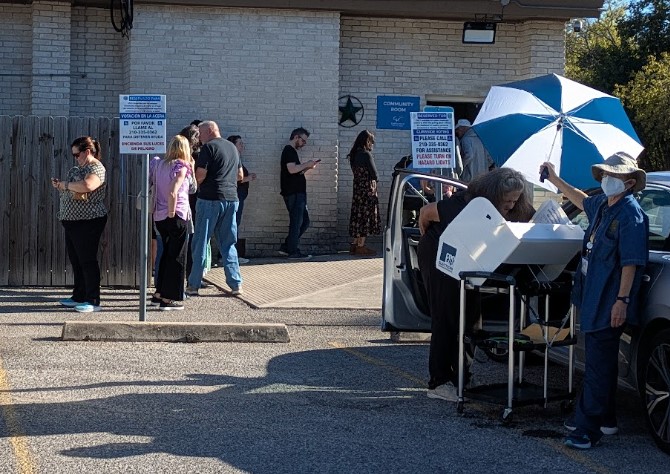
The national fight for voters’ rights and civic participation
Heading into the fall midterms, voters’ and civil rights groups are operating campaigns to stress the positives of civic engagement, and to sound alarm bells about what they call various efforts to discourage or suppress voter participation and turnout.
Organizations such as the Voter Participation Center have criticized initiatives and court decisions they say are detrimental to the Voter Rights Act and other pro-voter laws.
Such groups have also lauded decisions such as the Supreme Court’s recent ruling that affirms states’ authority to count mail ballots that are postmarked by Election Day and received afterward.
The League of Women Voters of Texas joined other organizations to ask the U.S. District Court of the District of Columbia to enforce its June 22 judgment that ordered the disassembly of the Systematic Alien Verification for Entitlements (SAVE) system, after the Trump administration kept restoring parts of the system. Plaintiffs claim the SAVE program has violated the Privacy Act, the Social Security Act, and the Administrative Procedure Act.
Elsewhere, many Democratic lawmakers – and some Republicans – have been critical of the Trump administration’s efforts to pass the SAVE Act (Safeguard American Voter Eligibility), which backers said is needed to require proof of U.S. citizenship register to voter in federal elections, and stifle voter fraud.
But opponents say the SAVE Act would disenfranchise Americans of all ages and races, especially younger voters, voters of color, and women whose married names may not be on their birth certificates or passports.
GOP Congressman Thomas Massie from Kentucky, a frequent Trump critic, exclaimed on the social media platform X that the proposed legislation is “fake” and a campaign built to incite fury among Americans.
“There is no plan to pass it. Republican politicians are playing you. It’s designed to distract you from increased debt, war, inflation, and further usurpations of your rights.” Massie wrote.
The Pew Research Center, meanwhile, recently published results of a study of American political activity, civic involvement, religious attendance and attention to news. The study found that 9% of surveyed respondents – dubbed mobilizers – are the most active across all the four areas as shown by their volunteerism, attending local government meetings, and religious services, donating to political causes, and following the news closely.
Another 31% of respondents, dubbed spectators, are less likely to participate in civic or political activities, but they follow the news at relatively high rates. But instead of engaging news outlets or other viewers and readers, they would rather discuss the news privately or simply like or dislike posts.
A separate 31% of respondents, called outsiders, participate at relatively low levels across the activities measured in this study. The Pew Center also concluded that neither major U.S. political party claims exclusivity on any of the identified engagement groups.
“…it is clear that members of both parties engage – or don’t – in a variety of ways,” the study’s authors said.