By Edmond Ortiz
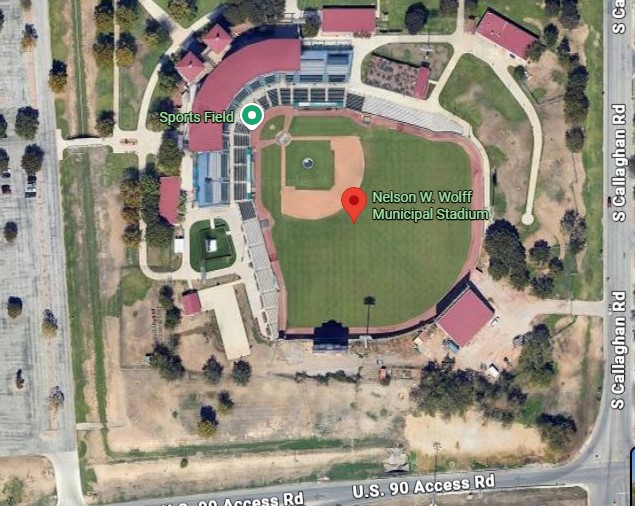
The beginning of August is accompanied by plenty of public discourse involving funding for the proposed new San Antonio Spurs’ arena, the construction of a new San Antonio Missions’ ballpark, and what should happen with Wolff Stadium once the Missions leave that venue.
Project Marvel debate arises
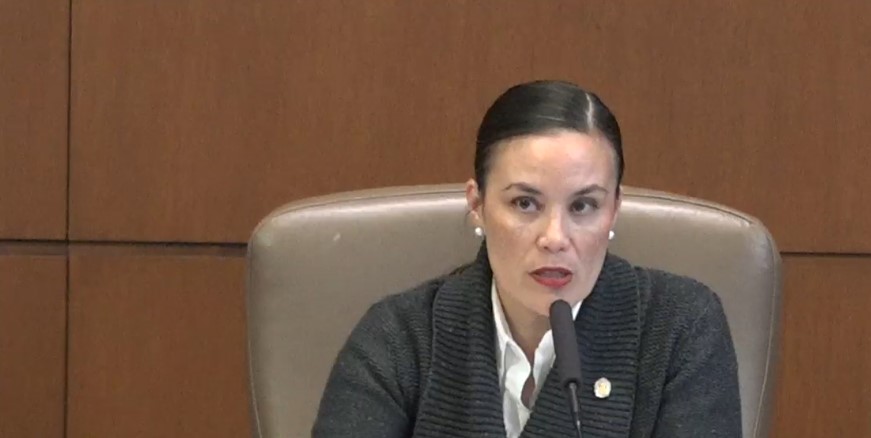
Talks among local residents and officials have ramped up thanks to a July 31 memo that Mayor Gina Ortiz Jones sent to City Council, pushing the elected body to call a Nov. 3 election to allow San Antonio voters a say on the city’s contribution toward building a downtown Spurs arena.
The proposal is among a series of public statements that Jones has issued in recent weeks about a proposed Fiscal Year 2027 budget that is likely to contain major spending cuts and a proposed property tax hike, both of which city officials suggest are needed to reduce a $158 million budget shortfall.
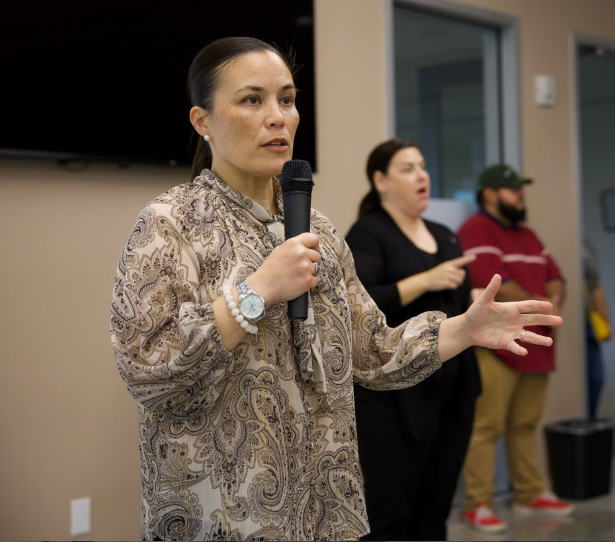
Jones’ idea is not getting much support from city leaders, the Spurs or other observers. But she plans to rally public backing on the proposal in what she calls “listening sessions” set for 6:30 p.m. Aug. 6 at Doris Griffin Senior Center, 6157 NW Loop 410; 10 a.m. Aug. 7 at the Northeast Senior Center, 4135 Thousand Oaks ; and 6:30 p.m. Aug. 10 at the Hardberger Park Urban Ecology Center, 8400 NW Military Drive.
Jones has already written to local businesses and philanthropists, inviting them to step up and help fill a potential spending gap where the mayor has suggested eliminating city funding for more than one dozen local nonprofits, delegate agencies and events. Organizers of the San Antonio Book Festival, one such event under scrutiny, have set up a petition for supporters to help prevent it being cut from the budget.
Now, Jones is reiterating to council – and the public – that financial conditions are exacerbating the city’s fiscal outlook where the budget could rise to $264 million in 2031, and where the capacity for another city bond issue stands at $600 million – only half of a $1.2 billion bond that voters approved in 2022.
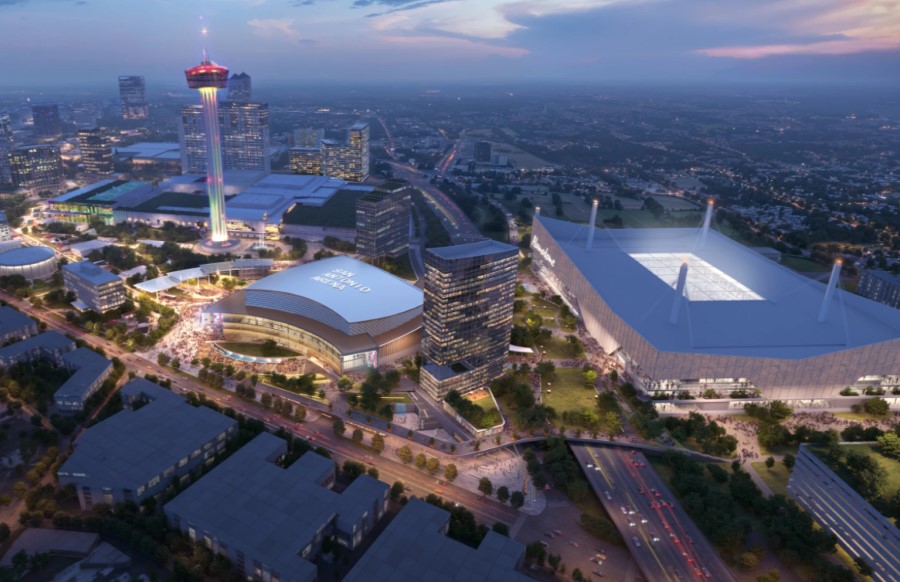
Local officials are mulling whether a potential 2027 bond should include a package of downtown infrastructure improvements, including upgrades designed to support the Spurs’ proposed Project Marvel sports and entertainment district, which would be anchored by a new arena.
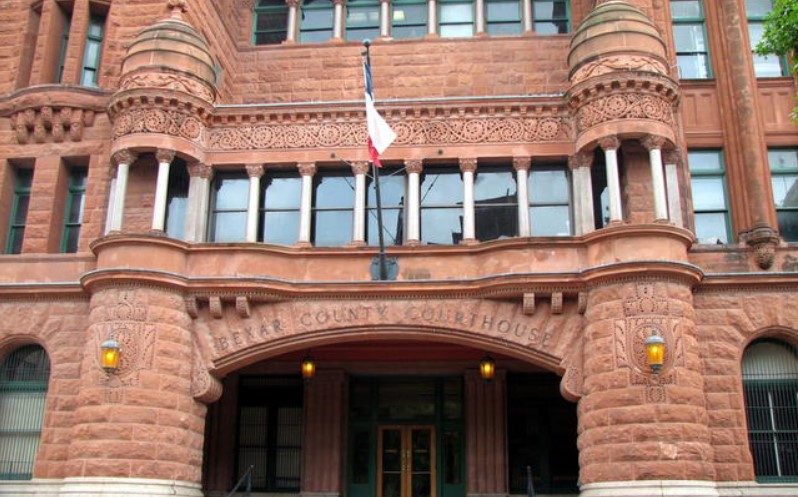
Last November, 52% of Bexar County voters authorized the county to raise its hotel occupancy and vehicle rental taxes; an estimated $311 in new revenue would be used to help fund arena construction.
Nearly 60% of local voters also voted last November to allow the county to increase the same venue taxes to develop a year-round stock show and rodeo district containing the Frost Bank Center – the Spurs’ current home – and the adjacent Freeman Coliseum and other facilities.
City Council voted in August 2025 to commit $489 million in specific use funds toward arena construction, with the Spurs pledging $500 million to the project. The city’s share would come from Spurs arena lease payments, ground leases, a project finance zone designed to support convention center improvements, and a Hemisfair Tax Increment Reinvestment Zone. The latter assesses a levy on residential and commercial properties within the Hemisfair TIRZ.
Jones, who was critical of the Spurs’ project financing proposal heading into the November 2025 election, asserted that San Antonio voters deserve a voice on the city’s funding commitment. She also claimed San Antonians “pay twice” with the city’s pledge, and the county’s investment.
In her memo, Jones also mentioned another criticism she had raised last fall, regarding Spurs officials saying no to a revenue-sharing agreement. The NBA does not share its core league revenue with franchise cities. She added a new election would give voters a chance to weigh in on a $75 million community benefits pact to which the Spurs agreed to advance Project Marvel.
“Since they pay twice, voters deserve to vote twice,” Jones said of local residents. “November would allow city voters, clearly informed by what they are paying, what they are receiving in return, and whether the latter is good enough.”
Since Jones’ memo came out, local television news and talk radio stations have fielded calls and messages from some residents who want the Spurs’ owners to foot most or all of the bill of building a new downtown arena. Other locals urged Jones to move on and work with the Spurs to build the arena lest the city risk the franchise threatening to rescind its pledges and want to relocate.
Jones faces headwinds. Aug. 17 is the state deadline to call a special Nov. 3 election, where voters will already consider numerous Congressional, statewide, legislative and countywide contests and, in some parts of the San Antonio area, a potential school district property tax election.
District 10 City Councilmember Marc Whyte brushed off Jones’ call for another election, which would cost the city a hefty sum if it were to add an item or two to an already lengthy ballot
“We’ve already had a public debate and vote. There’s no need to spend taxpayer dollars to do it again,” Whyte said in a KENS-5 television interview. “The mayor should not mislead people into thinking the $489 million can be used for general fund or basic city services around the city.”
District 9 City Councilmember Misty Spears shared Whyte’s sentiments, saying 72% of San Antonio voters took part in last November’s election where the county got approval to allocate tourism-related funds to Project Marvel. She added that local residents had plenty of opportunities to publicly discuss both proposals that faced voters.
Spears also said Jones is trying to reopen “a question that voters have already answered,” and encouraged fellow city leaders to concentrate on delivering the Spurs arena, protecting taxpayers, and make sure the community reaps many positives from the project.
“The election is over. The voters have spoken. It’s time to stop relitigating the outcome and start delivering results,” she added.
Andrew Solano, a local political consultant, echoed Whyte’s point in an Aug. 3 post to his X social media platform profile. Solano dinged Jones’ local taxpayers “pay twice” claim: “It’s catchy. It just isn’t how the financing actually works.”
Solano said neither the county nor the city’s monies committed to Project Marvel come from general funds in local governments’ budgets, which support basic daily operations such as public safety and road repairs. No residential property taxes are being used for Project Marvel.
Instead, Solano said, the committed monies hail from sources that can be used only for specific purposes, which in this case would be such things as construction of a new Spurs arena, and a proposed convention center expansion, also part of the Project Marvel vision.
Solano said the arena financing plan “is more protective of taxpayer dollars” because, by comparison, other major local business deals such as Toyota Texas’ planned South Side assembly plant expansion is supported by property tax abatements, among other funding tools.
“The Spurs (rely) primarily on visitor taxes and tourism-related revenues dedicated for projects like this,” Solano wrote. “The arena debate isn’t about basketball. It’s whether San Antonio will use the same economic development principles consistently or change the rules depending on the project. Cities that win don’t abandon economic development tools and replace them with a catchy slogan.”
R.C. Buford, Spurs Sports and Entertainment’s chief executive officer, issued a statement Aug. 4, saying the franchise respects how local residents voted last November, He added that the team remains dedicated to its plan to spend more than $2 billion and cover cost overruns en route to helping to develop the new arena and other elements of the sports and entertainment district.
Buford also highlighted the project’s reliance on specific-use funds, and not general funds meant for basic, vital city services. Additionally, Buford said the community benefits program will help to buoy local workforce development and small businesses, and that the hiring and vendor goals will stay focused on local enterprises.
“Our responsibility is honor the legacy that brought us here while building the next chapter with care. San Antonio does not wait for someone else to dream for us. We build our own future,” Buford wrote. “The vote has taken place. The commitments have been made. The work is underway.”
City staff and Spurs representatives are slated late this summer or early fall to enter talks centered on details surrounding the Spurs’ proposed arena, but they are also awaiting the results of a study of projected costs and revenue of the new sports and entertainment district.
Missions adjust ballpark timeline; public input sought on Wolff Stadium’s future
While the city is launching a series of community meetings about the long-term future of Wolff Stadium, the minor league baseball team is pushing back the construction schedule for its new downtown ballpark.
The Missions’ ownership group Designated Bidders recently announced that it will begin construction on the new facility in early 2027, and not this year as originally anticipated. The team now plans to finish building the venue along the San Pedro Creek in spring 2029.
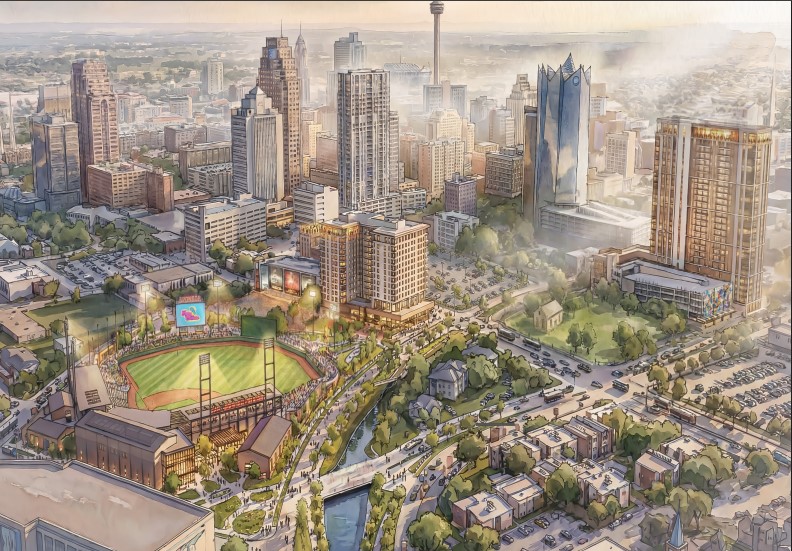
“We have worked tirelessly to reach this point and although the timing has been adjusted, it will not impede us from achieving our goal of building the best multi-use facility in the country,” Designated Bidders stated in a press release.
Meanwhile, the city wants community members, merchants and other stakeholders, especially those living and working around Wolff Stadium to take part in meetings designed to arrive at the development of a master plan, which will guide development of the West Side complex after the relocation of the Missions.
City representatives said public feedback will help them to identify amenities, services, and opportunities that would benefit the immediate neighborhood and surrounding area. The completed master plan will be presented to the City Council for final consideration.
Ron Darner Parks and Recreation Headquarters, 5800 Historic Old Hwy. 90 W., is the site for the community meetings, which take place 6-8 p.m. Aug. 6 and 20.