

By Edmond Ortiz
Kirby City Council on July 9 narrowly approved a plan to issue $15 million in certificates of obligation to upgrade infrastructure and city facilities and department equipment.
But as some council members and many residents have voiced reservations about the city taking on new debt, lingering tensions at the council dais boiled into the sudden ouster of one elected official over a separate matter.
Certificates of obligation
Council voted 4-3 to issue the COs to support a range of long-term initiatives, including renovations at City Hall and other municipal facilities, vehicles and equipment for the fire, police and public works departments, and improvements to local streets, drainage, park spaces and recreational amenities, and the water and wastewater system. The city will formally begin issuing the COs Aug. 4.
The city’s financial advisor said Kirby’s interest and sinking – or debt service – fund, and water and wastewater service revenues will be used to help finance the certificates of obligation.
The financial advisor cited advantages in Kirby’s efforts to use COs to support various capital improvements, including a A+ bond credit rating, a 4.49% interest rate, and a positive response from prospective buyers in the market.
“An A+ rating is a big deal.” Mayor Janeshia Grider said.
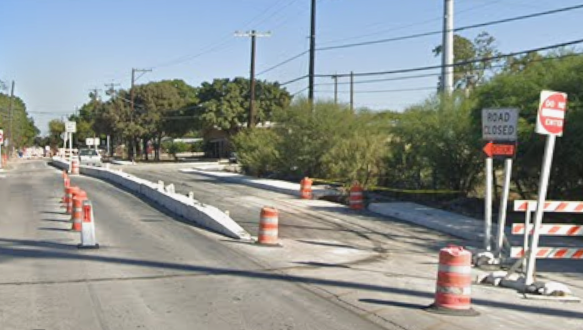
Kirby last took on significant debt in 2018 when voters approved $6.7 million in bonds for road improvements, including Ackerman Road, but that project underwent escalating costs and other challenges before finally being completed this year.
Christopher Herring, executive director for Global Chamber San Antonio, addressed the Kirby council, saying San Antonio’s growth has resulted in challenges for suburbs such as Kirby, such as traffic congestion and aging infrastructure.
Herring said his organization formally backs Kirby in its effort to improve its infrastructure and city departments.
“We depend on small cities with big hearts to make a difference,” Herring said, referencing Kirby’s slogan.
Concerns raised; council division
While some city leaders expressed optimism about the plan to issue CO’s to support systematic improvements, other local leaders and some residents have questioned the move.
David Barboza, a former council candidate, suggested it was not ideal for a landlocked town to issue new debt when it relies mostly on a residential tax base to fund basic operations. Other detractors have said Kirby lacks the economic and population growth that neighboring cities have experienced.
“It doesn’t make sense to take on new debt when we’re losing money,” Barboza said.
Councilmembers Chris Garza, Susan Street and Maria Lozano voted “no” on the debt issuance. They all agreed infrastructure improvements, and new departmental vehicles and equipment are needed. But they also questioned the speed by which the city was moving to issue certificates of obligation, as well as the city’s tax base and its ability to support new debt.
Garza said he felt residents should have voted on the debt issuance. Street was one of several community members who felt the city was not doing enough to inform its populace about the certificates of obligation.
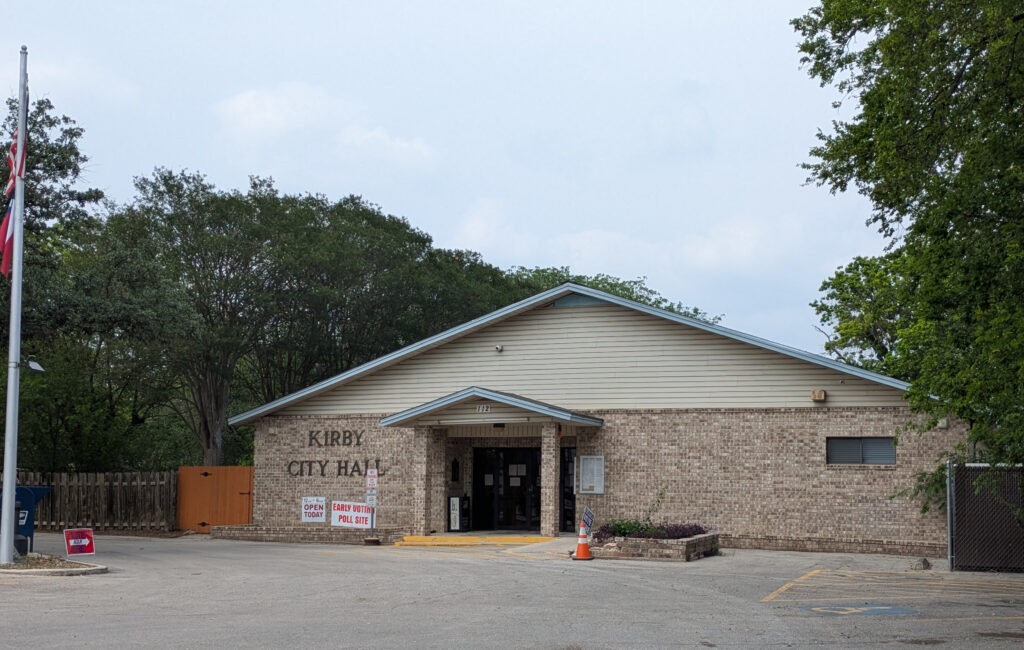
Street, specifically, also said she was apparently the lone council member not to get a full update with numbers and other details behind the CO issuance prior to the July 9 meeting.
Street’s claim spoke to a perceived, widening divide between herself and city staff. That political divide has caused some constituents to charge that council members are unwilling to work together. Even recent council votes to appoint new city charter review commission members created debate and dissension among the elected leaders.
In recent months, Street has received support from many residents, including social media followers, who feel she is rightly questioning lack of public information from City Hall, and how city government – mainly Grider and City Manager Brian Rowland – addresses various issues, including roads, drainage and budgetary expenses.
Last April, council reprimanded Street and ordered her to undergo anger management counseling after she was accused of violating the city charter by disparaging city employees and fellow top town officials.
Persistent stress between Street and Grider appeared later in the lengthy July 9 meeting when the mayor promptly issued a warning to Street for speaking out of turn about the CO’s.
Regarding a city application for a Texas Water Development Board grant, Street asked Rowland why the form was missing a dollar amount in one spot. Rowland responded, but Grider asked Street if she completed her query.
A short, terse exchange between Street and Grider ensued, with Street complaining that the city manager frequently fails to answer council members’ questions.
Grider then issued another verbal warning to Street, an act followed by a 4-3 council vote to remove Street from the meeting even though the agenda held no place for such a vote to occur. A Kirby police officer asked Street to leave City Hall.
No city officials have since issued a public statement about Street’s sudden ouster.




One thought on “Kirby pursues $15M in upgrades; controversy surrounds council member’s ouster”