By Edmond Ortiz
San Antonio Water System officials have voiced urgency in having City Council pass a proposed water rate hike in order to quickly begin generating revenues to support a series of much-needed infrastructure improvements.
But many city leaders say they and their constituents first need proof that the city-owned water utility can better carry out repairs and projects, and communicate more efficiently before even asking ratepayers to back such increases.
SAWS leader promotes rate hikes
City Council voted 6-5 June 18 to postpone action on SAWS’ water and wastewater rate adjustment plan until October.
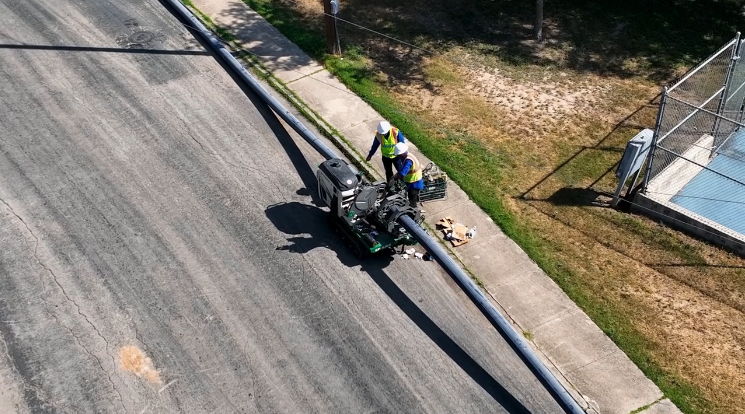
SAWS President/CEO Robert Puente highlighted how city staff got his utility to slightly lower originally projected rate increases. He added the new revenues will help to fund $2 billion in capital-related construction, including leak stoppages and an overhaul of high-risk water pipes as part of larger long-term efforts to further modernize and shore up SAWS’ infrastructure.
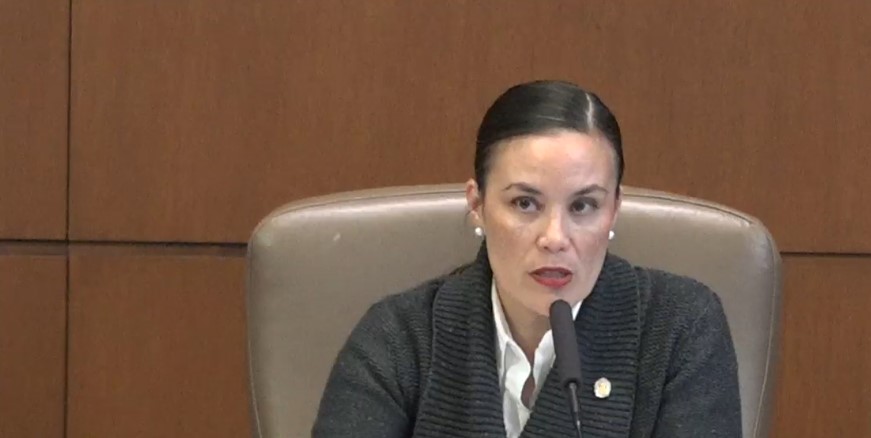
The SAWS board, including Mayor Gina Ortiz Jones, unanimously approved the rate adjustment plan, which was designed to immediately go into effect this summer if approved by council.
But in prior briefings, several City Council members expressed wariness about the proposed rate hikes, saying it is unfair to ask customers to accept slightly higher bills while already coping with rising gas and grocery prices and other costs of living.
Some council members have also urged SAWS to submit to an independent audit, saying the utility could afford to bolster operational efficiencies and cut unnecessary costs, perhaps even executives’ salaries, to a point where a rate hike may not be necessary now.
Acknowledging council members’ doubts, Puente said SAWS will undergo an operational efficiencies study, and that ratepayers’ new estimated bills would still be among the lowest of utilities in major Texas cities.
Puente also warned that delaying action on the rate plan could force SAWS to deal with escalating construction costs, and possible fines for not completing statutory objectives, such as installing new emergency backup generators at pump stations, by certain deadlines.
“Delays create significant risks. Construction costs continue to escalate, meaning projects become more expensive,” Puente said.
“The longer that we delay new projects increases the likelihood of lost water, infrastructure failures, regulatory challenges, and future water supply constraints.”
Council members voice concerns
SAWS has not produced a risk assessment in the case of delayed action on SAWS’ rate plan. Jones said she feared council members opposed to rate hikes may not understand what is at stake if council opted to wait to reconsider the proposed increases.
However, some council members such as Marina Aldrete Gavito, Jalen McKee-Rodriguez and Marc Whyte were particularly blunt in voicing their frustration with SAWS leadership.
Such critics said they and many of their constituents have a lack of confidence in SAWS’ ability to quickly address water leaks, or communicate about unresolved issues following repairs, unexpected shutoffs, and hassles created by utility-driven construction.
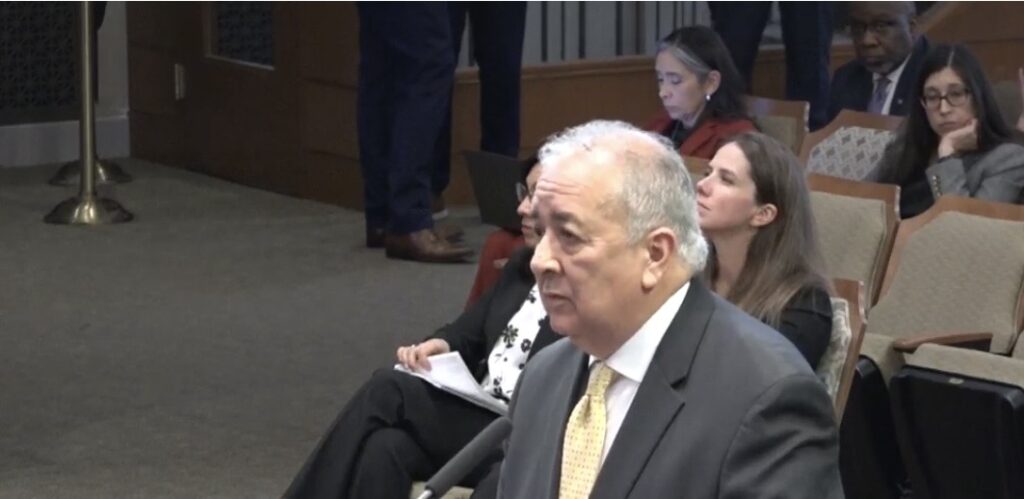
McKee-Rodriguez recalled some efforts to directly communicate constituents’ sensitive issues with Puente only to receive what he called “snippy” responses from the utility’s top leader.
‘I do believe the tone of your responses has changed, and you’ve internalized my feedback,” McKee-Rodriguez told Puente. “I do believe that, but a part of me feels that it’s all been in service to earning my vote for a rate increase, and so why is it now, when trust is wilted, that there are plans to improve the system?”
According to Whyte, a third-party audit would go a long way toward showing SAWS where it could make operations more cost-efficient, and holding the organization publicly accountable. But, he added, that is just one of multiple problems that faces the utility.
“The issues with SAWS are widely known – billions of gallons of water being lost every year. It’s water that SAWS can’t sell, and it’s water that is also damaging our streets and costing our city money,” Whyte said. “We’ve had issues with SAWS in the development community. We’ve had the disconnection issues, and battles with a lack of accountability on joint projects.”
What comes next?
Council’s decision to wait until October to continue discussion on SAWS’ rate proposal means city leaders can first focus on other major issues such as weighing possible significant cuts or even a potential property tax increase in order to address a budget deficit.
Council members opposing SAWS’ rate plan expressed a desire for Puente and fellow utility officials to follow up on questions on several issues, but fear that even delaying action on the rate hikes until October will still not produce desired results.
“It boggles my mind that we wouldn’t wait to have this rate increase discussion before we have the results of our audit that my colleagues and I have asked for,” Aldrete Gavito said. “I feel that there are major operational inefficiencies that SAWS needs to work through, and these operational efficiencies could potentially save cash and reduce the need for us to ask the residents to pay for it.”
Some council members said, although they would rather not entertain a utility raising rates on local residents already exhausted by inflation, the rate hikes are relatively small and adequate enough to support necessary infrastructure fixes and enhancements.
However, detractors said they want to see a revised rate adjustment plan where SAWS shows it is implementing operational and capital cost-efficiencies and other measures to win back council and public trust.
“My hope is that…whenever it is that you come back, I’m ready to have the conversation again with a clearer plan with defined metrics and goals on some of the issues that my colleagues have raised,” Whyte said. “We all want the same thing.”