By Edmond Ortiz
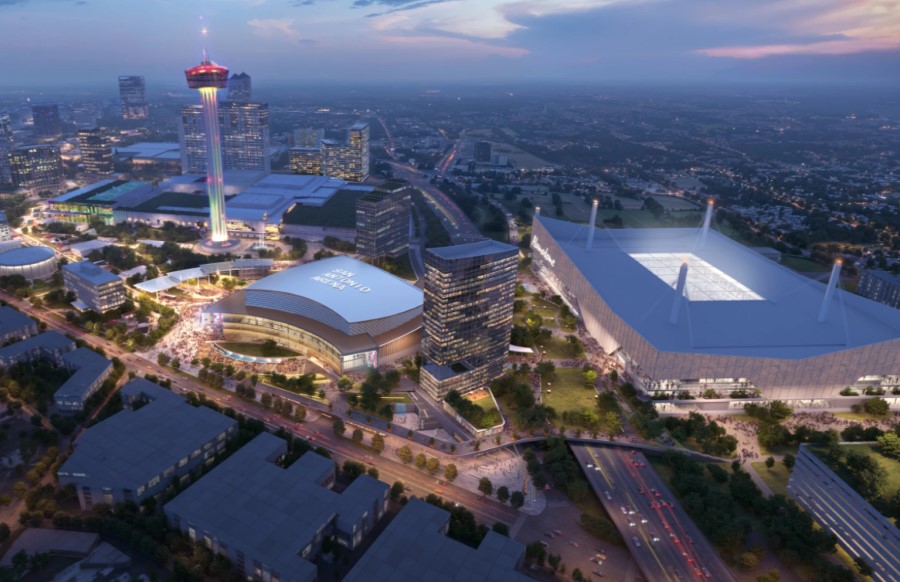
The city of San Antonio now has in hand two key pacts designed to advance the proposed downtown sports and entertainment district, which would be anchored by a new Spurs arena.
What you should know
City Council voted 10-1 May 7 to approve a contract with MuniCap Inc., a Maryland-based firm with public financing expertise. MuniCap will carry out a study to produce projected cost of service impacts, perform revenue forecasting, and identify new revenue opportunities for the proposed sports and entertainment district, which would sit in the southeastern corner of downtown. The base contract cost $316,350 with a contingency of $33,650.
Council also voted 10-1 to approve a professional services agreement with Accenture Infrastructure and Capital Projects, a division of Accenture, a noted business service and consulting firm.
Accenture will provide the city with an executive program manager to oversee development of the proposed sports and entertainment district.
According to the agreement, the city will pay Accenture a maximum of $6 million for an initial phase of services through March 30, 2027. The entire contract expires on Sept. 30, 2031, with five, one-year renewal options. Funding for both contracts will come from the city’s hotel occupancy tax redemption and capital fund.
A deeper dive
According to city staff, the executive program manager will be part of a city-led project team and will be responsible for the oversight of functions such as activities within the proposed district related to infrastructure improvement projects, construction/improvements to venues, and mixed-use development.
Accenture was one of eight companies to answer the city’s request for qualifications that was issued in January, and tallied the most points on a scoring matrix.
Among other projects, Accenture is helping to oversee the current terminal development project at the San Antonio International Airport, and the ongoing effort to rebuild Aloha Stadium and provide mixed-use development around the new Honolulu, Hawaii stadium.
MuniCap was the highest ranking of the four respondents to the city’s request for proposals regarding a study of the proposed sports and entertainment district, otherwise known as Project Marvel.
Aside from a new Spurs arena, the new district is to include anchored by an expanded convention center, a new live music venue, a convention center hotel, and new mixed-use private development consisting of hotel, housing, office and retail space, according to the project proposal. An envisioned landbridge over Interstate 37 is to connect the new district and Hemisfair to an improved Alamodome.
MuniCap has participated in multiple similar projects, such as the development of a new Washington Commanders stadium, and a new DC United soccer stadium that anchors a private/public development area.
Project Marvel update
Council, in a separate vote, decided to delay a full briefing about Project Marvel happenings until an upcoming council B session, which is open to the public via in-person attendance and online viewing.
But documents in the May 7 council agenda offer a semblance of a Project Marvel update. The city is waiting for the General Services Administration to accept the city’s $30 million offer, covered by the Spurs, to buy the multistory federal building and two adjoining parking lots on East Cesar Chavez Boulevard. These properties would help to accommodate proposed mixed-use private development at the Project Marvel site.
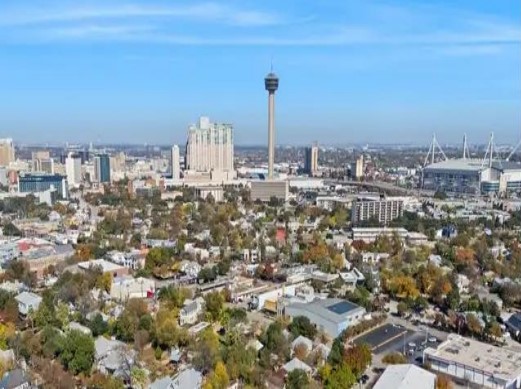
Additionally, the U.S. Department of Transportation recently awarded the city a $2.96 million grant that would fund a study of feasible solutions; such as sidewalks, crosswalks or possibly a landbridge, to better connect downtown with near East Side neighborhoods.
The total amount available is $3.7 million with the city’s required match being $740,000. The city will hold a series of community workshops and open houses over the duration of 2026 to gather input from area stakeholders and other members of the public.
The city is also awaiting the completion of acquisition of the former Institute of Texan Cultures property, which is slated for the end of this year.
Elsewhere, a feasibility study on the proposed convention center expansion is presently underway, and council is scheduled to review final recommendations on proposed Alamodome upgrades in September.
Additionally, a downtown working group charged with inventorying transportation and housing in the larger downtown footprint had its first meeting in April, and is due to meet again May 30. The group includes five council members, and officials from VIA Metropolitan Transit, Centro San Antonio, Opportunity Home, and the San Antonio Housing Trust.
What they are saying
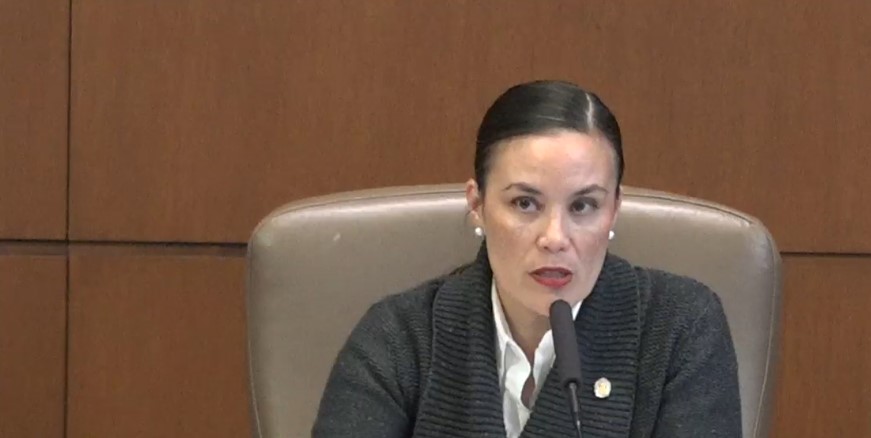
Mayor Gina Ortiz Jones voted “no” on the two contracts discussed May 7. Many council members said, even with some public resistance towards Project Marvel, the city must emphasize transparency, open communication and proper oversight in executing agreements and other steps in the efforts to make Project Marvel a reality.
Councilmember Teri Castillo said the city should work to have every contract related to Project Marvel show how the project can ultimately benefit San Antonio residents and taxpayers.
“Our responsibility as a body is to ensure that we continue to negotiate the best deal that we can,” she added.
Councilmember Marc Whyte said he is confident the entire project will benefit San Antonio as a whole, and not just the Spurs, who could get to move into a new, state-of-the-art downtown arena surrounded by new and existing redevelopment.
“This project is not just about the Spurs. This is about the city of San Antonio creating a district that everybody can be proud of, and that is going to create revenue for this city that we can use on all of the core city services that we talk about all the time,” he added.
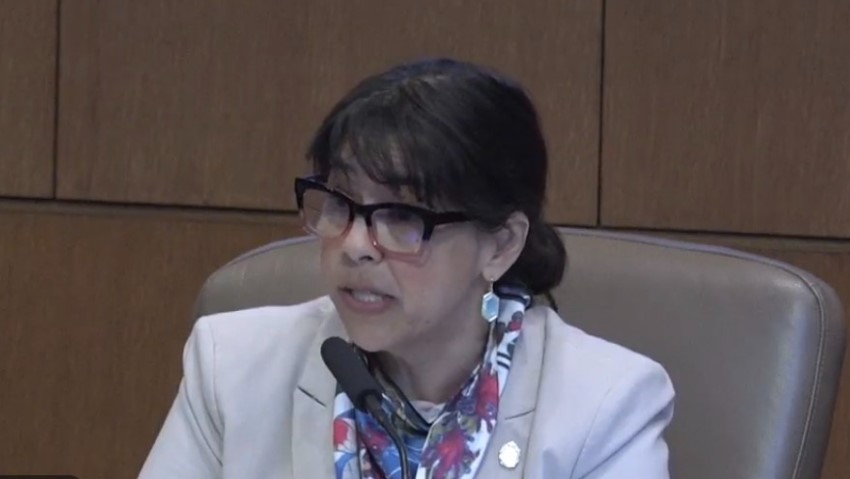
Jessica Palacios, governmental affairs director for the San Antonio Hispanic Chamber of Commerce, addressed the council. She did not object to Accenture becoming executive project manager for Project Marvel, but instead pressed the city to mull changing its contract scoring system in order to give broader consideration to local small businesses that might be interested in engaging in significant initiatives such as Project Marvel.
“We believe that the benchmark should be reconsidered and strengthened to a more meaningful reflection of the depth and capability of our local business ecosystem,” Palacios said. “In Texas, small businesses make up over 90% of businesses statewide, and a generational investment like this should reflect that reality.”