By Edmond Ortiz
Residents and merchants’ complaints about emergency repairs or large, lengthy projects on San Antonio city roadways are driving one local leader to seek improvements on how the public is informed about such infrastructure challenges.
What you should know
District 1 City Councilmember Sukh Kaur has submitted a council consideration request (CCR) that calls for standardized communication requirements for infrastructure projects that take place along San Antonio city rights-of-way (ROW).
According to the CCR, Kaur hopes that city departments will create a comprehensive process for sharing construction updates based on project size, duration, and expected effects on nearby residents, businesses, schools, and commuters.
The proposed standards would apply to a range of road and drainage projects, from emergency fixes and scheduled street maintenance to major, months-long reconstruction and improvement measures, and initiatives led by outside agencies, such as the San Antonio Water System and CPS Energy.
The proposed communication standards would include tools such as text and email alerts, door hangers, mailed notices, dedicated project websites, digital signage, social media updates, neighborhood meetings, and direct outreach to affected residents and business owners.
Additionally, Kaur’s CCR suggests integrating construction notifications into the city’s SASpeakUp program and other city communication platforms, allowing residents and businesses to subscribe to updates according to geographic area, council district, project type, or project duration.
A press release spelled out that, if council considers the CCR and passes what Kaur called a “no surprises policy,” local motorists would be able to use the enhanced communication processes to plan their routes, and residents would see which projects require a city permit to use public streets or sidewalks.
Residents would also be able to see which projects are expected to last more than one week, and would be required to share construction schedules, and expected start and end dates with navigation apps such as Google Maps, Apple Maps, and Waze.
Regarding projects slated to last more than 30 days, city departments would consider how construction could impact neighborhood businesses, school schedules, neighborhood events, and cultural celebrations, the news release stated.
Monthly stakeholder meetings would also offer opportunities to share updates and address concerns throughout long-term projects, the release added.
Kaur recommended all construction notices and public updates use clear, easy-to-understand language, simple maps, helpful contact information, and accessible materials. Information would be available in multiple languages when appropriate, the release stated.
What they are saying
Kaur, who represents the central business district and several neighborhoods north and south of downtown, said she regularly hears constituents’ complaints about infrastructure projects.
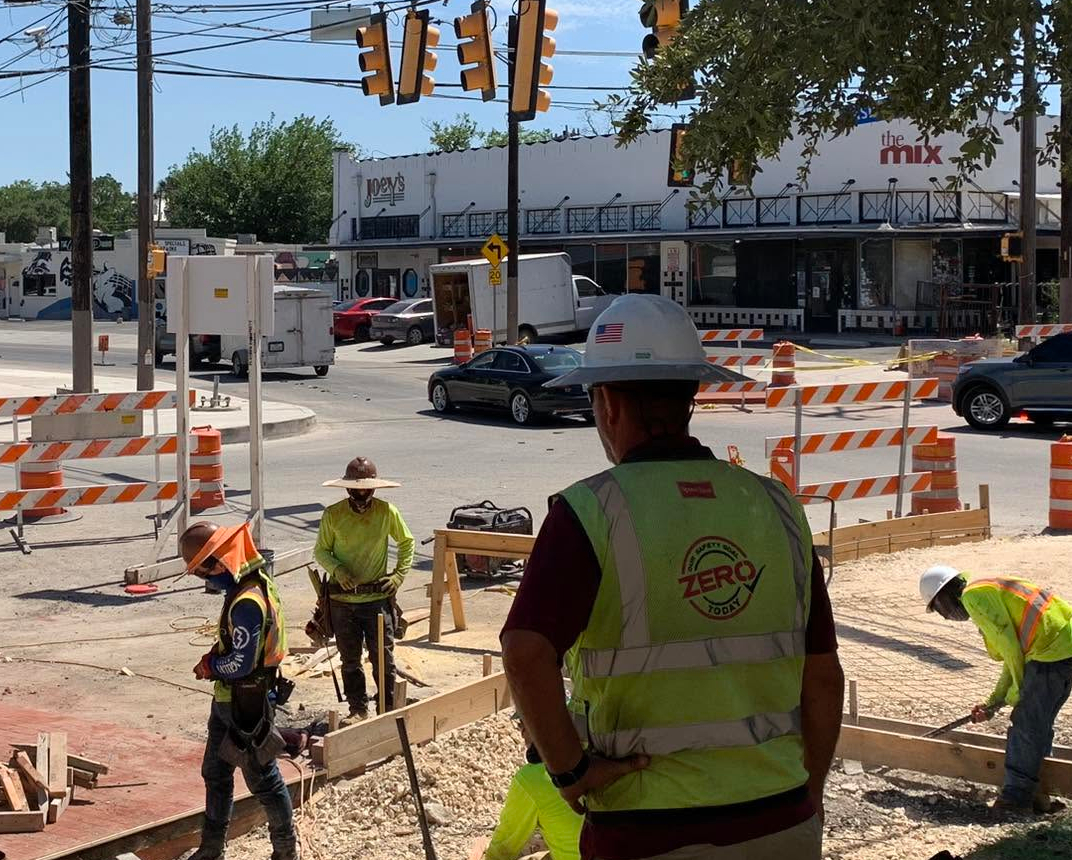
Notable, large-scale projects in recent years, such as Blanco Road improvements, the reconstruction of South Alamo Street, and surface and underground upgrades along North St. Mary’s Street, prompted complaints from numerous residents and merchants, and have been blamed for the disruption or closure of some businesses.
“I’ve heard the frustration from residents loud and clear. They deserve timely information about changes that impact their daily lives,” Kaur said in a statement. “This policy puts residents first by ensuring families and businesses have the information they need to plan ahead, minimize disruptions, and keep their daily lives moving.”
Kaur said regardless how long a project lasts, communication should be part of the process from the start of a project.
“We have an opportunity to create a consistent approach that better supports the residents, businesses, and neighborhoods affected by construction,” she added.
Kaur’s CCR must first go before the council’s governance committee, which then would forward a recommendation to the full council.