By Edmond Ortiz
In Fiscal Year 2026, which started Oct. 1, Olmos Park residents will take on a property tax hike while Alamo Heights residents will face a higher charge for trash collection as officials in both cities grapple with inflation and economic uncertainties.
A glance at key budgetary items in both Midtown cities follows:
Olmos Park
City Council voted on Sept. 18 to approve a $5.31 million general fund budget, an increase from the $5.16 million operational budget that was passed for FY 2025.
Olmos Park’s budgetary goals in the new fiscal year include City Hall renovations, and support for the Hillside Drive/Hermosa Drive drainage and utility project.
The city projects $5.54 million in general fund revenue in FY 2026, a drop from $5.76 million estimated in last year’s budget. Council passed a slight property tax rate hike from 50.0 cents per $100 valuation to 51.1 cents.
This hike, according to local officials, will produce a $6,031 yearly tax bill on the median-valued Olmos Park homestead, a rise from $5,706 in FY 2025.
Alamo Heights
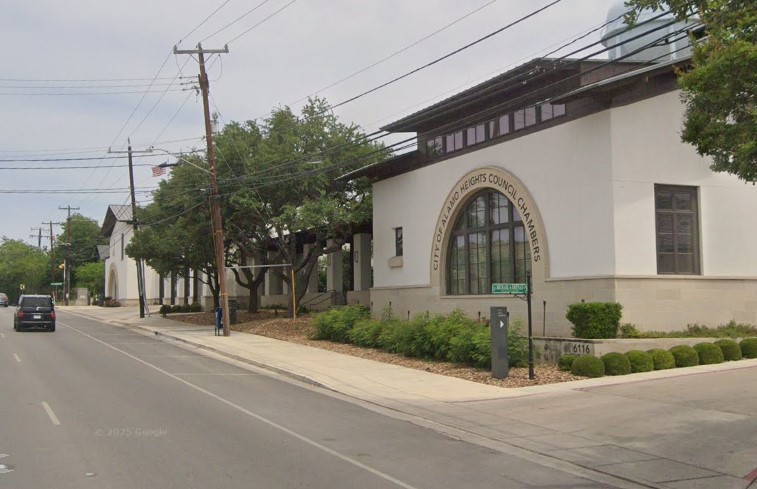
City Council voted on Aug. 25 to approve a $14.7 million budget, with projected revenues totalling $14.4 million.
The new budget supports initiatives such as citywide beautification and park improvements, designs for a potential new park near the city’s Little League fields, a study of park sustainability for the use of recycled water, a study of potential enhancements of Alamo Heights Boulevard, and new police cameras.
Alamo Heights’ new budget also contains a 3% salary adjustment for all city staff, and market-based pay hikes for uniformed police and fire department employees.
While council voted to maintain the current property tax rate of 37 cents per $100 valuation, the city is raising its monthly solid waste collection fees to $25 for residents and $35 for commercial customers.
The garbage service fee hike is projected to raise $1.03 million in income for the city, with service expenditures totaling $1.02 million. City Manager Buddy Kuhn said the higher fee will address increased costs for personnel, landfill fees, fuel and maintenance of solid waste equipment.
According to Kuhn, permit and tax revenues are stable, but these and other revenue sources could be negatively impacted by long-term economic uncertainty and policy changes made by state lawmakers.
“However, a prolonged economic recession or depression will eventually affect these revenue streams as well,” Kuhn said in a statement.