By Edmond Ortiz
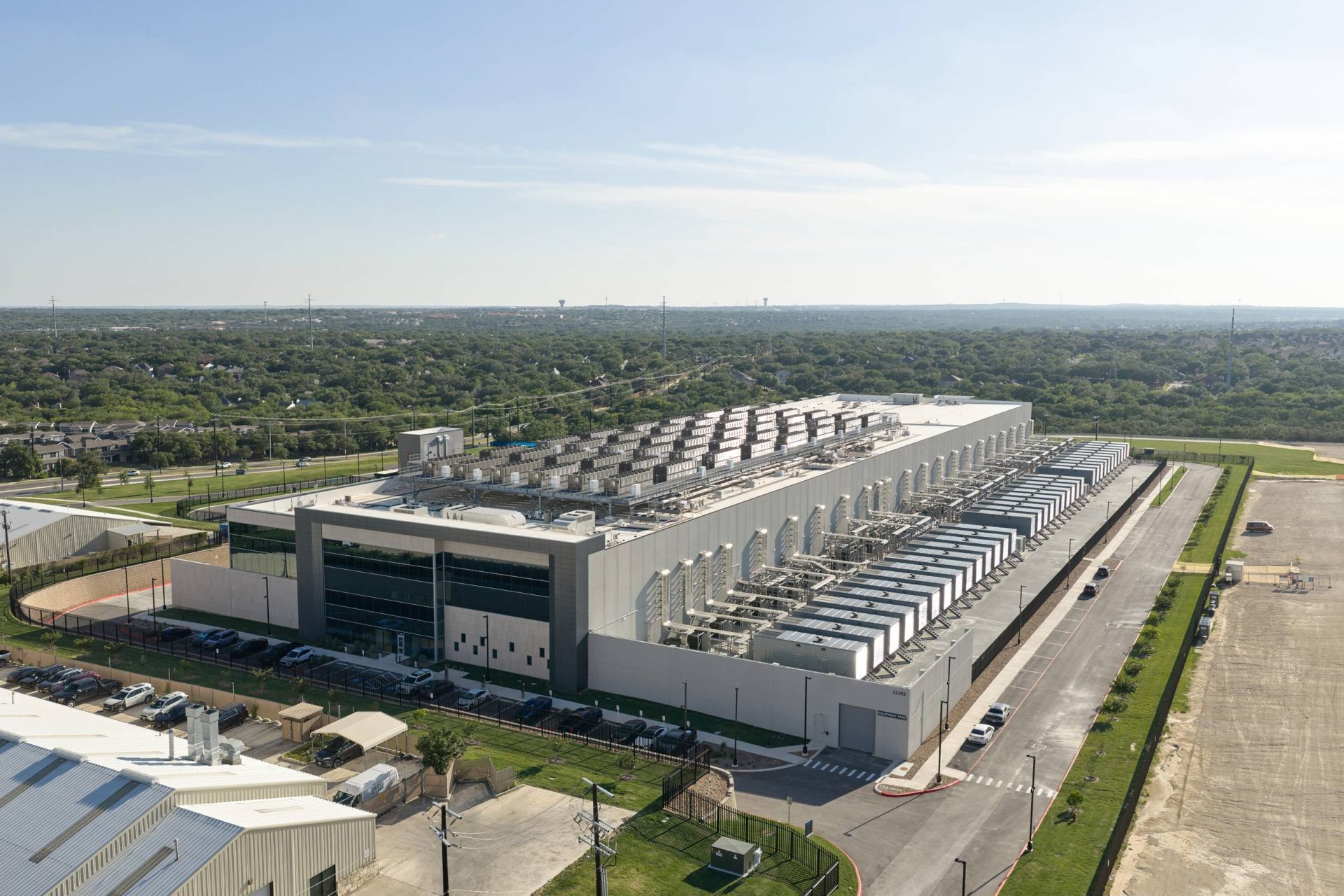
San Antonio is introducing a set of rules that local officials hope will help to mainly address residents’ concerns about the proliferation of data centers.
New Braunfels, too, looks to greenlight comprehensive rules for the establishment and operation of data centers.
San Antonio takes action
City Council voted 9-2 Oct. 29 to amend San Antonio’s unified development code (UDC) to require the council to consider a special use authorization for every new proposed data center construction project.
This, local officials said, means council and city staff can better guide how that new data center, if approved, is developed in relation to its surroundings and its impact on water and power supplies.
In considering a data center site plan, council can also consider such things as minimum distance from certain uses, landscaping and setback requirements, facility entry and exit limitations, noise barriers for generators, as well as parking standards, and signage restrictions.
No new data centers will be allowed to be built over the Edwards Aquifer recharge zone. The new set of rules also contains a city definition for data centers, and a distance that such facilities must maintain from the South Side Spanish colonial missions, which along with The Alamo make up a United Nations-designated World Heritage Site.
San Antonio council’s action is a culmination of months of public debate over the increasing number of data centers, which have sparked criticism from neighboring residents worried about whether such facilities drain local utilities, and adversely affect the local environment, public health and even quality of life.
Some local detractors had pushed the city to enact at least a temporary moratorium on new data centers, but city staff convinced council that amending local zoning rules was the more effective route to go. The public outrage over data centers had even become a key issue in many campaigns statewide and nationwide ahead of the Nov. 3 midterm elections.
Council also mulled a set of city staff recommendations that would have allowed the development of new data centers by-right in a C-3 commercial zone and in industrial districts if they met certain standards. Council voted to reject adding Mayor Gina Ortiz Jones’ proposed set of requirements.
What they are saying in San Antonio
Data centers had their share of defenders, including a large number of electricians and other tradespeople such as Chelsea Norris who work at local data centers.
Norris and other speakers at the council meeting said they understood the need to regulate data centers, but fear that onerous rules could force data center operators to go elsewhere, jeopardizing the livelihood of workers like her.
Norris said becoming an electrician, joining a labor union and working at a data center has given her a new lease on life despite her being homeless at one point, and having a criminal record.
“Someone who was homeless, struggling to find direction and carrying the weight of felony convictions is now standing before you as a homeowner, a skilled tradesperson and a productive member of society,” Norris said.

Other speakers said the surge of data center development follows the growth of the Internet, e-commerce, mobile digital devices, AI and other forms of information technology. They added that economic expansion depends greatly on the presence of data centers and related facilities.
Bill Kaufman, president of Kaufman Group, a San Antonio land use law firm, and organizer for the local Energy Forward Alliance, backed the zoning commission’s recommendations, as did Councilmembers Marc Whyte and Misty Spears.
Kaufman said a rising number of data centers are using closed-loop cooling systems, which save on water consumption. But Spears and Whyte shared their concerns that the newly adopted regulations are too unpredictable for prospective data center developers.
“I think the zoning commission’s (plan) is most balanced because it did what it should do – serve a balance between various needs. There’s some in the industry that think it goes too far still, but we understand the optics of all this,” Kaufman said.
But other local residents, including the leaders of grassroots groups and environmental organizations, said more limits on data centers are needed.
“Data centers bring economic opportunity, but they’ve also brought significant challenges that warrant balance,” Juan Maldonado said.
Council also heard from Helotes resident Randy Neumann, a member of the Scenic Loop-Helotes Creek Alliance, which has been fighting Lennar Homes’ planned massive northwest Bexar County development that could affect local watershed and drinking water supplies.
Neumann asked the city to not determine the adequateness of a data center project solely on whether it complies with basic requirements or its potential economic impact.
Rather, Neumann said, each data center project should be evaluated as to whether the facility operator will also be a good steward of the surrounding natural resources.
“San Antonio is attractive to the data center industry for a number of reasons,” Neumann said. “We should welcome responsible investment, but our success makes the cumulative question more important, not less. We believe these projects should be evaluated against four pillars: water, electricity, heat, and overall environmental impact. Think of those four pillars as a bridge.”
District 6 Councilmember Ric Galvan, whose district has a disproportionate number of Bexar County data centers, said he understands the role that data centers play in San Antonio’s economic growth and energy future, but protections must be in place for communities where such facilities could go.
“We must make sure residents are protected, developers are held to clear standards for worker benefits, and community concerns are considered before decisions are made — not after the fact,” he added in a statement.
The situation in New Braunfels
Growing communities outside San Antonio, such as New Braunfels and Cibolo, are pursuing their own data center regulations.
New Braunfels Planning Commission will have a Nov. 4 public hearing on proposed amendments to their city’s UDC, with final recommendations expected to go before the New Braunfels council Nov. 9.
Like their San Antonio counterparts, New Braunfels officials are poised to weigh a proposal that calls for each new prospective data center operator to get a special use permit to establish their facility in a heavy industrial-zoned district. It is possible that council here could add multiple development standards, such as setbacks, buffers, noise limits, aquifer protections, and an analysis of a center’s impact on local power and water utilities.
No data centers currently operate inside New Braunfels, but at least two centers in the works in Guadalupe County and are targeted by local detractors.
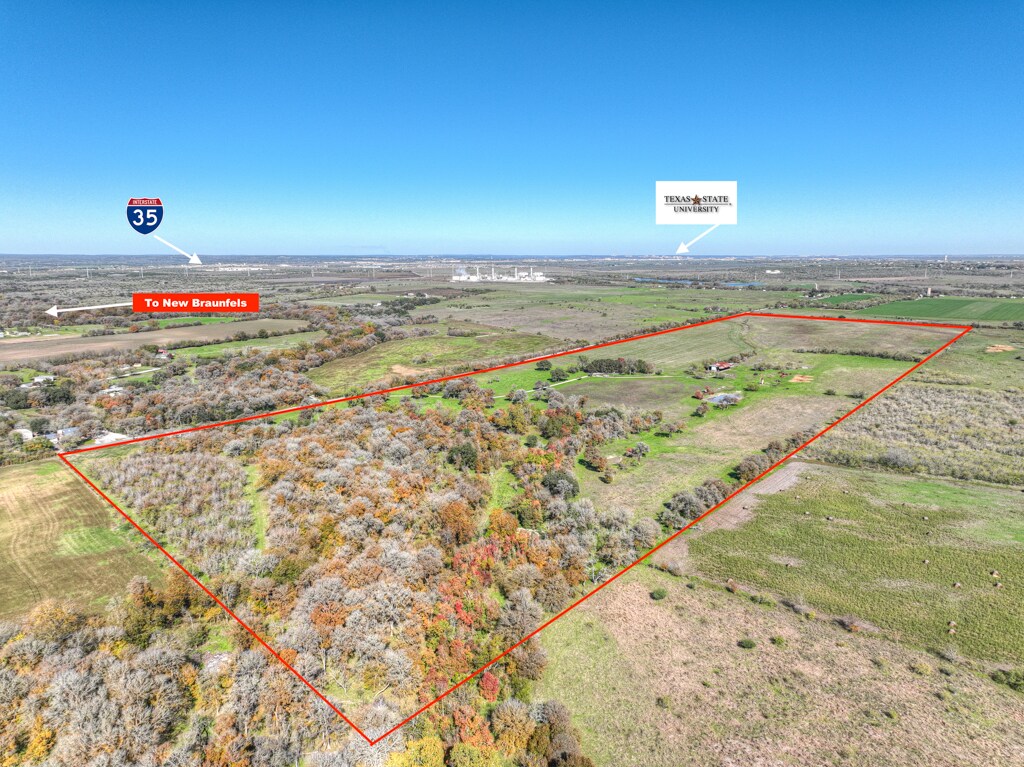
Christopher Looney, the city’s neighborhood and community planning director, said at the Oct. 19 New Braunfels council meeting that many residents are fearful that data centers could be a large source of noise and light pollution, and that the facilities could be burdensome to the surrounding ecology, rural atmosphere, homeowners’ property values, and prove taxing to public safety personnel.
Mayor Michael French said New Braunfels cannot keep data centers from coming to town, but wants to ensure development requirem ents are in place to deal with them.
“You can’t tell a data center not to build here, but if they cannot meet these qualifications, then they can’t build here,” he said Oct. 19.