By Edmond Ortiz
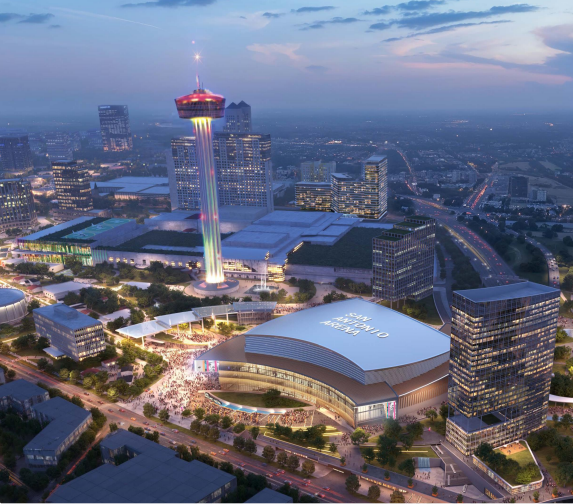
City Council is scheduled Sept. 10 to consider allocating nearly $116 million in specific use taxing income to buy land to accommodate a new San Antonio Spurs arena.
But committing revenue from the downtown-area tax zone has sparked a larger conversation about the adequate use of such zone monies, and the priorities for a city whose leaders are facing a budget shortball, potential major spending cuts and a possible property tax hike.
What is happening
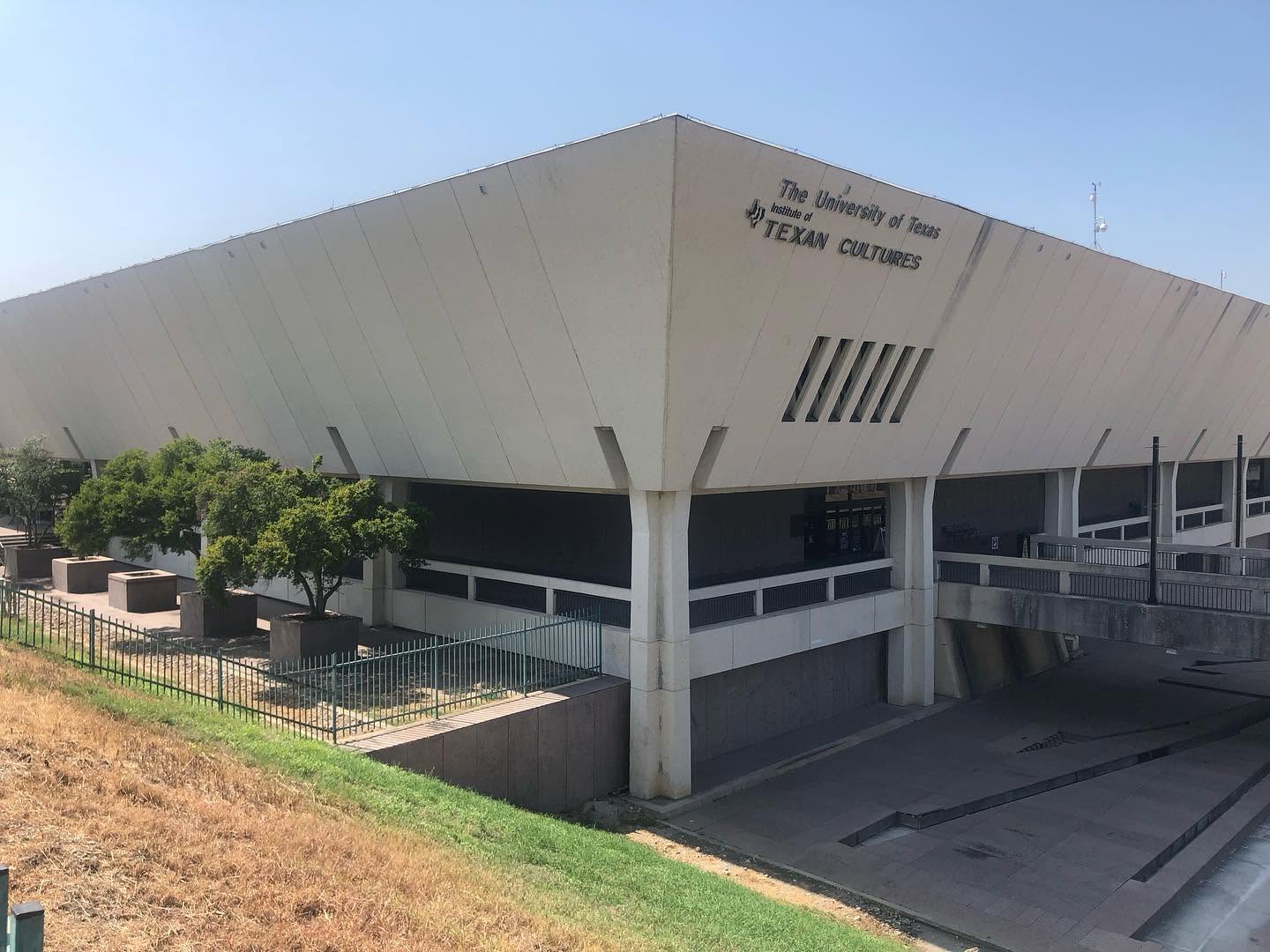
The board of the Midtown Tax Increment Reinvestment Zone voted 7-4 on Sept. 4 to recommend directing $60 million in TIRZ revenue to purchase the former Institute of Texan Cultures property from the University of Texas at San Antonio in order to suit the Spurs’ new $1.3 billion arena.
In that same vote, the Midtown TIRZ board recommended allocating an additional $55.7 million in TIRZ money to close the purchase.
What is a TIRZ
Texas cities and counties may use a Tax Increment Reinvestment Zone as a means of financing infrastructure improvements in a defined area, which then can help to lure redevelopment and to that area.
The year a TIRZ is created is the base year. The tax increment base is the total taxable value of all property in the definied reinvestment zone for the year that the TIRZ was designated.
As projects and physical growth unfold in the TIRZ, the appraised values of zone properties rises. The difference between the increased appraised property value in the zone and the base value is the captured appraised value, upon which a specific tax is levied.
The resulting revenues are used on improvement projects in that zone. When the TIRZ expires, all taxes levied in the zone return to larger taxing units that affect the zone.
California was the first state to use tax increment financing for public improvement projects; Texas began using this financing tool in the late 1970s.
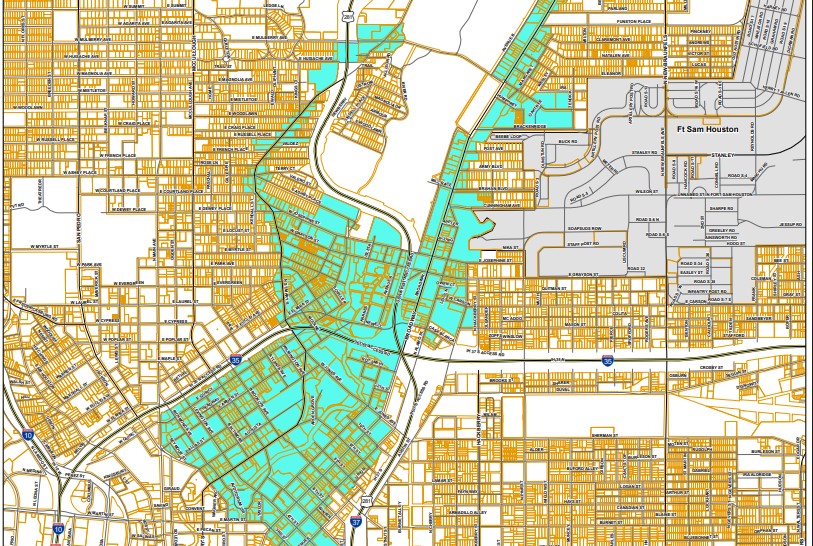
San Antonio has nine TIRZs; council created a Midtown TIRZ in 2008 with 2041 originally designated as an expiration year. The Midtown TIRZ covers much of the Broadway Street corridor from Hildebrand Avenue into downtown, multiple properties along U.S. 281 in the Tobin Hill neighborhood, Pearl, and the River North neighborhood.
The controversy
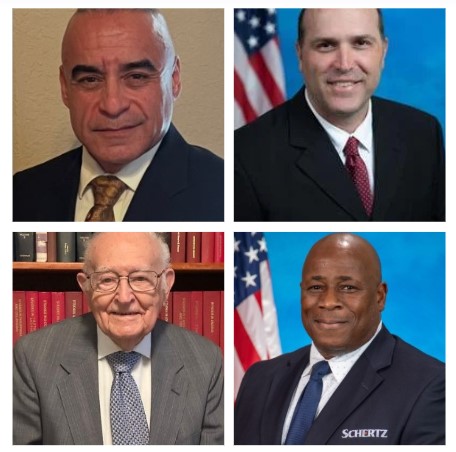
Four board members of the Midtown TIRZ, including District 2 Councilmember Jalen McKee-Rodriguez, in his first board meeting, voted against committing funds to acquire the former ITC site, which lies inside Hemisfair and outside of the zone.
McKee-Rodriguez, one of the more vocal council critics of how the city expects to work with the Spurs toward developing a new downtown arena and a surrounding sports and entertainment district, called the vote a “betrayal of values” that goes against the purposes of which the Midtown TIRZ was created.
“I think the use of TIRZ dollars for an arena property for the Spurs deviates greatly from the intention of not just the reconstitution, but the TIRZ as a whole, and the purpose of using these public tax dollars,” he said.
TIRZ board members Joe Bravo, George Grimes Jr., and Seema Kairam also objected to using zone money for a project outside of the Midtown TIRZ. They also voiced concern about a lack of community feedback over the city acquiring the property, where the ITC stood for 50-plus years before its demolition and UTSA relocated the institute to another part of downtown.
Preservation groups such as the Conservation Society of San Antonio pushed different methods earlier this decade in an ultimately failed effort to save the institute building from demolition.
District 1 Councilmember and fellow Midtown TIRZ board member Sukh Kaur voted for the fund allocation, citing a previously approved term sheet between the Spurs, city and Bexar County that allows using TIRZ funds toward the arena project. Kaur said the new arena would attract more business growth, and higher levels of tourism and development.
Texas law requires TIRZ money be spent generally on projects within that zone. But part of the state’s tax code allows specific exceptions outside the zone so long as those non-zone initiatives benefit the TIRZ and the general public through infrastructure, affordable housing, civic or public spaces, and land/conservation easements.
There are examples of Texas TIRZ funds being used toward initiatives outside of a designated zone. Earlier this summer, Austin City Council approved plans for Amazon’s controversial Dog’s Head development in southeast Austin, as well as the creation of a TIRZ to accommodate new infrastructure and utilities in the mixed-use development.
Local officials and the developers agreed to set aside 20% of planned new housing at Dog’s Head – nearly 2,500 homes – for designation as affordable housing as part of a deal to create the TIRZ there.
Plano, Texas officials are mulling using revenue from their Willow Bend Tax Increment Reinvestment Zone toward helping to finance a proposed new arena for the Dallas Stars.
A larger perspective
San Antonio officials hail local TIRZ’s as a stimulant for economic growth. The Midtown TIRZ was used to help support construction of the Oxbow/Credit Union office tower at 1803 Broadway, the 9th Street and The Cellars apartment complexes, and repayment for the Brackenridge Park parking garage.
The San Antonio Missions’ plans for a new downtown ballpark call for using Houston Street Tax Increment Reinvestment Zone revenue to help develop the minor league baseball/multi-event venue along San Pedro Creek.
Yet, some city officials and residents are expressing worry about the intended purpose of TIRZ’s, and relying on such tools to support specific projects potentially at the expense of larger citywide issues, such as affordable housing and basic infrastructure.
Mayor Gina Ortiz Jones has already signaled her opposition to allocating Midtown TIRZ money to buy property for a new Spurs arena, echoing her concerns about channeling any further public funds toward the project, regardless whether the money comes from a specific-use source.
Some residents are also wondering whether the city should extend the Midtown TIRZ through 2060, a separate proposal that council will weigh Sept. 10 alongside three other proposed issuances of debt through the Midtown TIRZ:
- Pledge of $10 million to help the San Antonio Botanical Garden Society to develop a horticulture campus, which would offer hands-on science experiences, flexible classrooms, a seed bank and lab, a living roof and interactive learning experiences at the botanical garden;
- Pledge of $10 million to help the Brackenridge Park Conservancy to improve Sunken Gardens, and fund Miraflores concept to grow a free garden celebrating Mexican culture, art and history;
- Pledge of $10 million to help the San Antonio Zoological Society to design, construct and install a new realm featuring native species, a new education building, and a new animal hospital that will accommodate classroom and public viewing of surgeries, check ups and lab work.
Additionally, the money would help the San Antonio Zoo to prepare westward expansion across U.S. 281 to handle growing attendance, increased educational programming, and continued modernization of zoo for animal wellbeing.
In each case, the private organization behind the initiative would need to come up with matching funds to receive the Midtown TIRZ money.
City officials said extending the Midtown TIRZ’s lifespan through Sept. 30, 2060 would align it with the lifespans of the Houston Street and Westside TIRZs.
The city projects Midtown TIRZ receiving $320 million through 2041, and an additional $593.3 million if it were extended through 2060.
Still, as word spreads about the Midtown TIRZ’s board Sept. 4 vote and what faces council this week, some community members such have offered criticism online, adding that TIRZs are more frequently being used to help support high-end projects that benefit developers.
Some observers say council will likely hear from a number of such detractors, as well as from backers of using TIRZ funds for the Spurs arena site, including business community leaders.
Resident Kathy Vale said the city facilitating the purchase of property for a new Spurs arena prompts questions about the local leaders’ priorities given many residents’ struggles with inflation, the budget deficit, and prospects of a property tax increase and the possibility of reducing library services, senior nutrition centers, and funds for multiple local nonprofits.
Supporters for preserving the latter budgetary items came out in force in a recent news conference in front City Hall, calling to save them from cuts. Vale said in her online commentary that the Spurs should foot the bill for buying the former ITC site, much as the team is contributing toward the acquisition of the former federal courthouse in Hemisfair to advance its envisioned Project Marvel sports and entertainment district.
“Studies and date over the past 15-20 years have demonstrated, time and time again, that professional sports franchise new stadium builds do not produce significant lasting local economic impacts after construction is complete,” Vale added.
Council will also have public hearings Sept. 10 on the city’s proposed Fiscal Year 2027 budget and property tax, with final adoption slated for Sept. 17.