By Edmond Ortiz
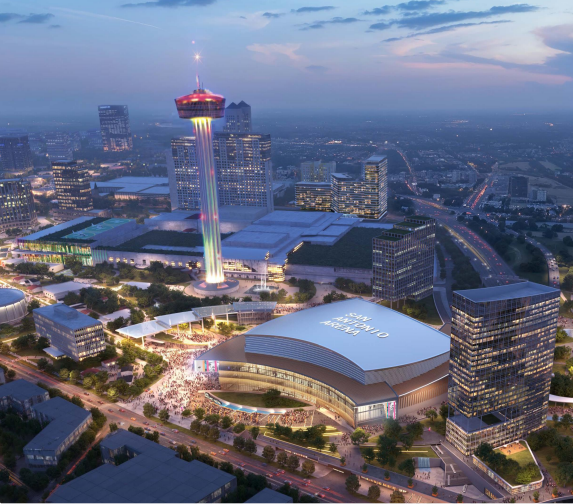
San Antonio City Council voted 6-5 Aug. 17 to nix a proposal to let San Antonio voters formally consider the city’s pledge of $489 million in specific-use funds towards construction of a new San Antonio Spurs arena downtown.
What you should know
Worries about the city’s $158 million budget deficit, a proposed property tax hike, inflation and an uncertain economic future pushed Mayor Gina Ortiz Jones in recent weeks to call for a council vote to call a special Nov. 3 election. Midnight Aug. 17 was the state deadline for any local Texas government to set an election this November.
While Bexar County voters last fall marginally approved the county’s commitment of hotel occupancy and vehicle rental taxes toward financing a new Spurs arena, Jones has repeated that San Antonio voters deserved a say on the city’s financial pledge, and not just council, which was the case in its approval of the funding dedication last year.
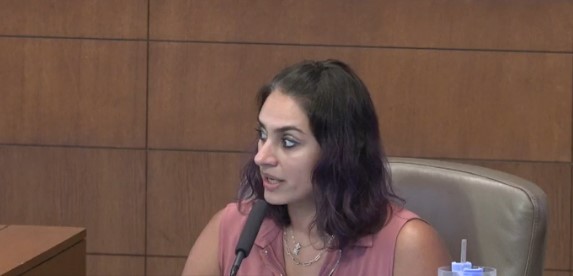
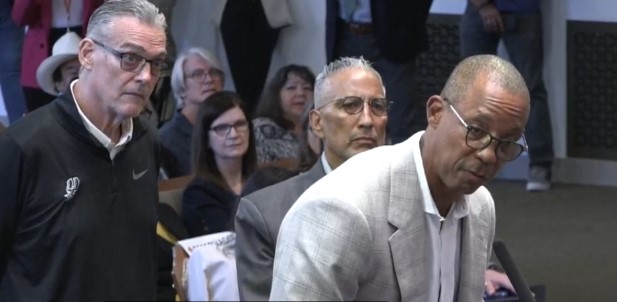
Dozens of residents spent more than two hours at the special Aug. 17 meeting addressing the call for a public vote, including local grassroots activists, leaders from neighborhood associations and business interests, as well as Spurs executive R.C. Buford and former Spurs star-turned-broadcaster Sean Elliott.
Prior to the meeting, City Manager Erik Walsh sent council members an internal memo, saying that the city must do what it can to reduce misinformation that has circulated the community regarding the revenue sources for the city’s portion of arena funding, and other elements of Project Marvel, the proposed downtown sports and entertainment district that would be anchored by the new arena.
In earlier statements, Jones and others calling for a public vote asserted that monies from the following proposed city funding sources could possibly be re-allocated to the city’s general fund in a larger effort to reduce a budget shortfall:
*Operating rent from the Spurs lease of the arena
*Rents from the city’s ground lease of city-owned property within the new sports & entertainment district, which is eyed for a segment of Hemisfair
*Revenue from the Hemisfair Tax Increment Reinvestment Zone, and
*Revenue from Project Finance Zone No. 2
City staff, the Spurs and others have pointed out that, unless a San Antonio resident has a stake in any of these funding mechanisms, they would not be paying into an arena project. No money from these specific revenue sources can be switched to the general fund.
What they are saying
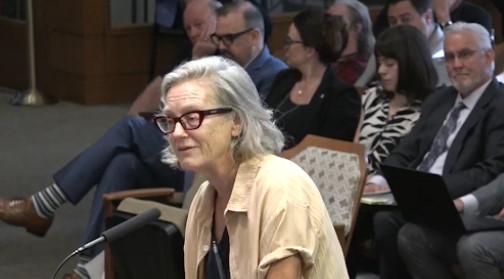
Mark Curtis, an executive with the San Antonio Board of Realtors, said San Antonio voters are among the Bexar County residents who did vote last fall on the county’s allocation, so essentially, another election would both be unnecessary and costly to the city.
“This is not just about an arena, it’s about economic growth,” Curtis said. “This arena can serve as a catalyst for housing, retail restaurants, hotels, commercial development, and significant and private investment throughout our downtown.”
Curtis added that the proposed money cannot “be simply moved elsewhere. The financing package relies on specifically legally restricted revenue sources, lease payments and revenues generated by new development. It’s not $489 million that can simply be redirected to close the budget deficit or address other city priorities.”
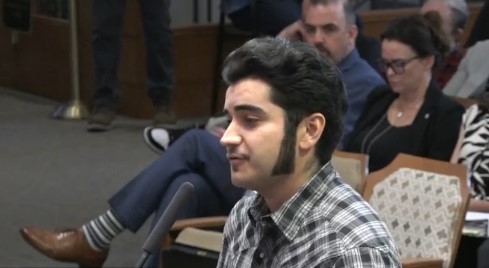
Buford said the Spurs and its redevelopment partners are committing more than $2 billion in private funds toward the proposed arena, and promise to cover construction cost overruns. He added that the Spurs had an economic impact of more than $165 million during their recent playoff run as more residents and tourists came into the downtown area to enjoy watching games in person or on television.
“Voters gave us direction to invest in a downtown home for the Spurs and for the future of San Antonio,” Buford added.
Elliott, who won an NBA championship ring with the Spurs in 1999, said he understands questions and concerns about a large, complex proposal.
“Making decisions like this isn’t easy. I understand that. They shouldn’t be easy. When you’re making decisions about the future of the city that you love, there should be debate. There should be scrutiny. There should be accountability,” Elliott said. “But the time also comes when leadership requires a vision and the courage to act on it.”
But other guest speakers reiterated criticism that they voiced ahead of last fall’s county election regarding the proposed arena. Many said the city government is already struggling with its budget while a significant number of residents are grappling with their own finances against a backdrop of declining economic figures and a war.
Council District 10 resident Monica Cruz said San Antonio and other voters around Bexar County voted last fall on one source of potential funding for the arena, but that San Antonio residents deserve a chance to mull the city’s proposed financing sources. She added that downtown hotels, overall, have seen ups and downs in occupancy rates in the last few years, something that could affect projected available funding for the arena.
Cruz also said there’s been some inconsistent information coming from the Spurs, and that many San Antonians are wondering about other proposed elements of Project Marvel, and how that could impact locals, especially economically vulnerable residents and individuals who work downtown.
“San Antonio’s economy relies heavily on tourism, but many national and international factors are affecting its stability,” Cruz said. “We say nothing’s changed since the fall. I’m sure that’s wrong. We started a war in February of this year, gas prices have gone up and costs of residents continue to go up.”
Graciela Sanchez, Esperanza Center executive director, backed the call for a San Antonio city vote, adding that while non-general fund money may be proposed for arena financing, the promised specific-use revenue sources could always fall short of projections. She also said the city and Spurs must be more forthcoming with factual information about the arena, Project Marvel and their potential impacts.
“When a public commitment of this large and substantial private investment is involved, why is asking the public to vote unreasonable?” Sanchez said. “Timing matters, too. Our city is confronting difficult budget choices and neighborhoods, like the West Side, have heard the same answer for generations. Same thing with the East Side.”
But when it came time for council discussion and vote, many council members provided comments that mirrored their sentiments that they put forth before voting last August on the city’s funding commitment and the county election.
District 2 Councilmember Jalen McKee-Rodriguez recognized the anger expressed by some residents toward the city or Project Marvel, but that some of that tension is a result of the Spurs’ long-term plan to “divest” itself from the East Side, and a collective failure to revitalize the area around the team’s current home, Frost Bank Center,” as Spurs officials had envisioned more than two decades ago.
McKee-Rodriguez said dealing with a new arena could divert city resources in a time of budget troubles and when many families are coping to keep pace with their own living expenses. He also mentioned the city’s decreasing bonding capacity, which could affect how the city aims to propose another bond issue to voters in 2027.

It is unclear whether such a bond could include improvements needed for infrastructure around Hemisfair and the proposed site for a new arena and other developments associated with Project Marvel. Additionally, McKee-Rodriguez said council still reserves the right to vote on a final development agreement, as the city and Spurs only have a non-binding term sheet.
“We heard several times today that leadership requires vision. It requires difficult decisions, and sometimes it requires you to look at the nice, shiny project that you want so bad.” McKee-Rodriguez said. “Sometimes, you have to look at that project and realize that it’s not going to get us any closer to addressing our deepest woes so that we may actually become that thriving city.”
District 1 Councilmember Sukh Kaur, who represents downtown, acknowledged the frustration felt by Project Marvel opponents who say that last fall’s election was filled with misinformation and a feeling of the process being rushed.
But, Kaur said, calling an election on the city’s financial pledge is a revote, and that San Antonio and other Bexar County voters said their piece on the use of non-general fund monies.
Also, according to Kaur and a few other council members, it’s time to move forward and concentrate on working with the Spurs on a full arena development pact and other key details concerning a community benefits agreement and other elements of Project Marvel to arrive at the best deal possible for the city.
“I know some of my colleagues today are making the decision because their districts did not support (the county proposal), but at the end of the day, we are one city, and it is our job to come together, united, with what the voters voted on, and I understand that’s really frustrating,” Kaur said. “Trust me, if I could go back and do a re-vote on the president, I would love to, but unfortunately, we can’t do that. We are a representative democracy.”
The representatives of Council Districts 1, 3, 7, 8, 9 and 10 voted to not put the special electron on the Nov. 3 ballot. Council voted recently to create a Downtown Community Advisory Committee that will help to provide recommendations on how funds from the community benefits pact could be spent.
After the meeting, Jones said she looks forward to the city working with the Spurs towards a mutually beneficial term sheet, and she thanked the number of residents who addressed the council.