By Edmond Ortiz
The Judson Independent School District appears not to be going forward with another effort to propose a property tax increase in a November 2026 election.
What you should know
Sixty percent of Judson ISD voters took part in a special November 2025 election where they rejected a district proposal to raise the maintenance and operations portion of JISD’s total property tax rate, which would have generated revenue for employee pay raises and student academic and support programs.
JISD leaders earlier this year approved a plan to slash 530-plus mostly vacant positions, and agreed to close four campuses in an effort to shrink a budget deficit.
Trustees initially entertained the idea of returning to voters and seeking their permission to raise the district’s tax rate beyond a state-mandated cap in order to give teachers and staff a raise, and bolster student programs.
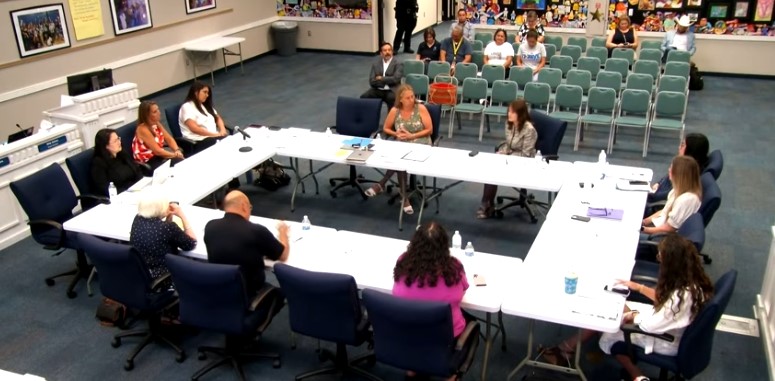
But in a special Aug. 3 meeting, district officials agreed now is not a proper time to stage a property tax increase election for a second straight year.
Some board members said inflation and job market uncertainties, among other challenges, would make it hard for Judson ISD to raise the notion of a property tax hike.
But, they added, many community members have a lack of confidence in district leadership, which has struggled with political fallout from the heavily scrutinized firing of former Superintendent Milton Fields, heated exchanges among board members in open sessions, and lawsuits involving board President Monica Ryan and trustee Jose Macias.
What they are saying
Shelley Potter with the Judson American Federation of Teachers said even as a new academic year begins, low morale exists among district employees and residents.
“Teachers started back today, and the start for students is just around the corner, and what our AFT leaders are hearing over and over already from district employees is that it feels like things in the district are in complete disarray,” Potter told the board. “That will not bode well for passing a tax rate ratification election.’
Potter said consolidation of positions and schools, shifting around employees, multiple interim superintendents, and an apparent lack of consistent communications between administrators and rank-and-file workers all are negatively affecting JISD’s workforce.
“Employees cannot function under these circumstances,” she added.
Trustees such as Michelle Poteet said educators and staff deserve pay raises, but district officials should focus on improving student performance, and not worry about campaigning for a tax hike proposal.
“Right now may not be the best time to split our attention and remove man-hours, dollars and time away from student achievement,” Poteet said. “We all should be focused on what students are doing in the classroom. While I do believe that having a (tax increase election) and having it pass would absolutely help those students, I am more concerned about splitting people’s time because it’s a valuable resource.”
Macias agreed, adding that many voters rejected Judson ISD’s tax proposal last fall because the district was not clear about why a tax hike was needed, and how exactly revenues from an approved increase would be spent. He also said misinformation and false narratives continue to linger among distrustful JISD residents.
“I think the timing is off for this,” Macias said. “I do feel that (tax election) could be beneficial to our district, provided we do it right, and what I mean by that is that there’s a whole process behind getting community engagement, determining what the community would support, and having a plan that would say what we would allocate funding for.”
Interim Superintendent Ann Dixon offered a larger perspective. She said many local school districts are grappling with challenges with stagnant or declining student enrollment, dropping property tax revenues, and budget deficits by pursuing difficult actions such as tax hike proposals, school closures, workforce reductions, or offering no pay raises for staffers.
But Dixon also said she understands if Judson ISD leaders choose not to propose another tax increase election, at least not until next year. JISD has until a state deadline of Aug. 17 to call a special Nov. 3 election if it so chooses.
“You guys are the eyes and ears of the community, not me, you guys are hearing it. You guys know your community,” Dixon said. “If we already know the outcome, I think it’s going to taint us to have two failed (tax ratification elections).”