By Edmond Ortiz
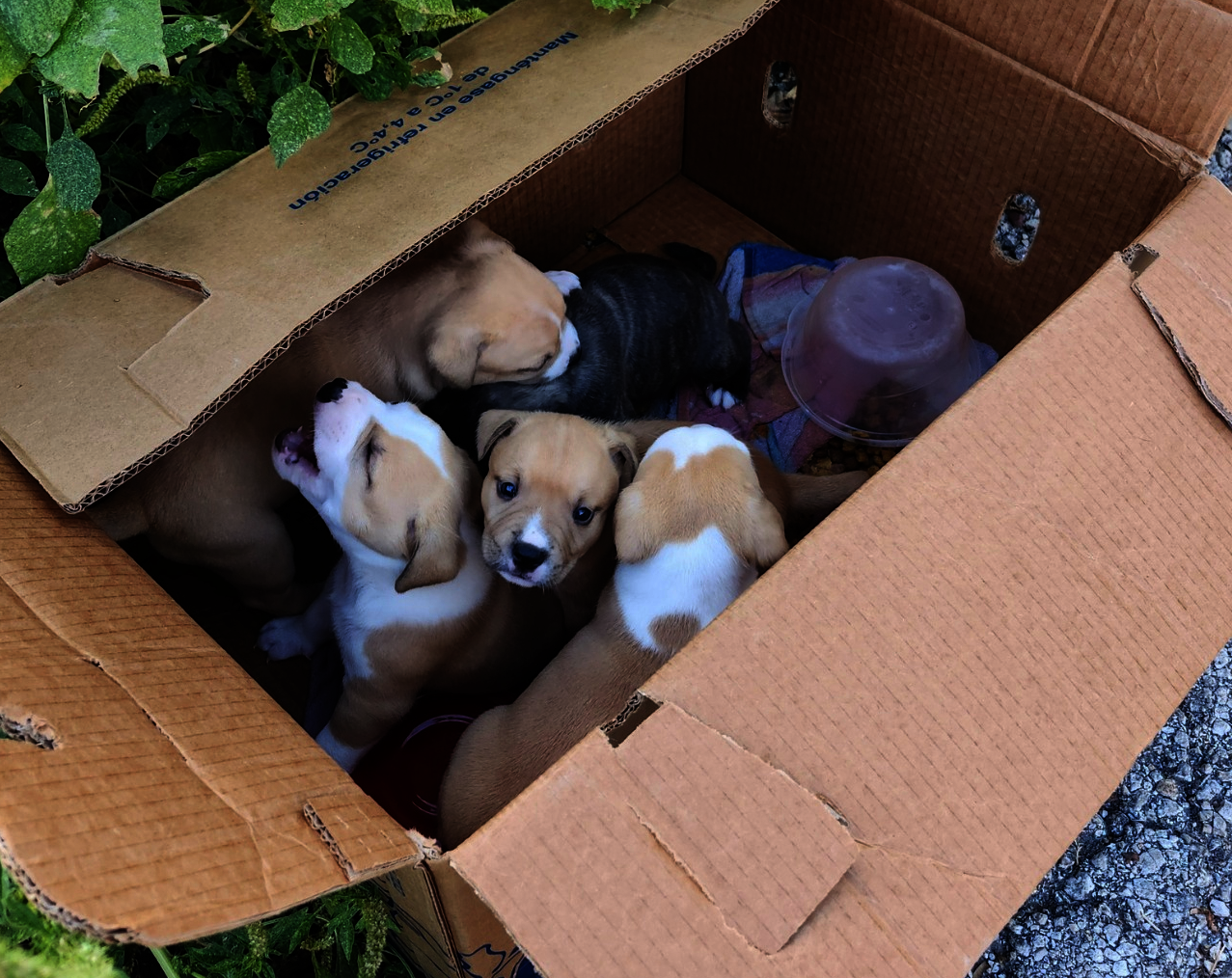
The city of San Antonio is implementing a new ordinance designed to deter anyone from abandoning an animal inside city limits.
What you should know
City Council voted 10-1 on Sept. 11 to create a Class C misdemeanor law that penalizes a person who intentionally, knowingly or recklessly abandons or releases any livestock or non-livestock animal, with fines ranging from $500 to $2,000, depending on the number of times that the violation happens. Until now, city code backed by state law called for a Class A misdemeanor on anyone found to be unreasonably abandoning an animal in their custody.
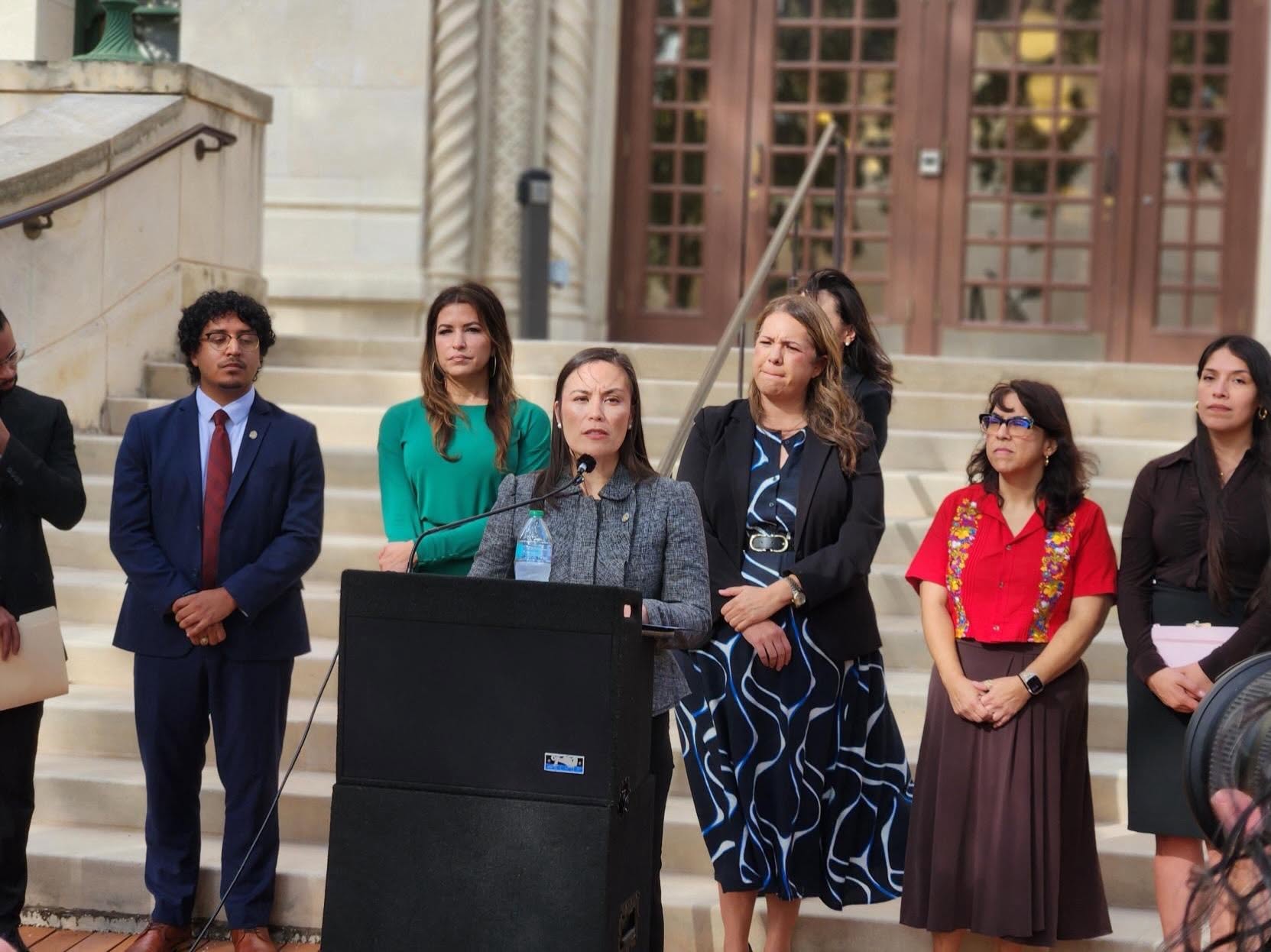
Mayor Gina Ortiz Jones, who cast the lone “no” vote on the ordinance, had withdrawn the then-proposed law from the Sept. 4 council meeting agenda, saying she and other newer council members needed more time to research and discuss the matter before voting on it.
Jones’ unexpected removal of the agenda item prompted three council members to write a memo and force the animal abandonment ordinance onto the Sept. 11 meeting agenda for a vote.
One of those members was District 7 Councilmember Marina Alderete Gavito, who authored the original council consideration request regarding the protection of peafowl that resulted in the new animal welfare ordinance. She, District 5 Councilmember Teri Castillo and District 10 Councilmember Marc Whyte said, at the least, they had been well-versed on the proposal for months.
What they’re saying
Some attendees of the Sept. 11 council meeting called the new animal abandonment ordinance unnecessary given the existence of the state law. They added that the law could be unfairly used on people who feed or care for stray animals, or against someone who might see no other option but to abandon an animal because of overwhelming personal circumstances.
“This ordinance is so poorly written that it could make it harder to prosecute animal abandonment cases,” local animal rescuer Kelly Walls said, adding that residents needed more time to offer input on the new law.
Representatives from the city’s Animal Care Services said the ordinance would not be enforced against people who trap, spay, sterilize and release stray cats or on non-domesticated animals.
Jones sought another delay in order to solicit more information and public feedback on the ordinance, but council members replied it was time to vote on it and move forward.
Aldrete Gavito said that stray dogs attacking people and other animals was another motivating factor behind the new law.
“This will make people accountable, and give Animal Care Services better tools to protect animals before tragedy strikes,” Aldrete Gavito said in a statement after the vote.
After the meeting, the grassroots group No Kill San Antonio complained on its social media that staffers with the city’s 3-1-1 information network tell callers to leave stray animals or return them to ACS or some other shelter.
“While the original intent (to put animal welfare on the radar) was good, even good intentions can create bad policy and unintended consequences,” the group wrote. “The loophole requiring both trapping and abandonment will only weaken our already weak enforcement.”