By Edmond Ortiz
This edition of Education Briefs highlights ongoing budget challenges in three local school districts, while a fourth school district moves closer to appointing a new permanent superintendent.
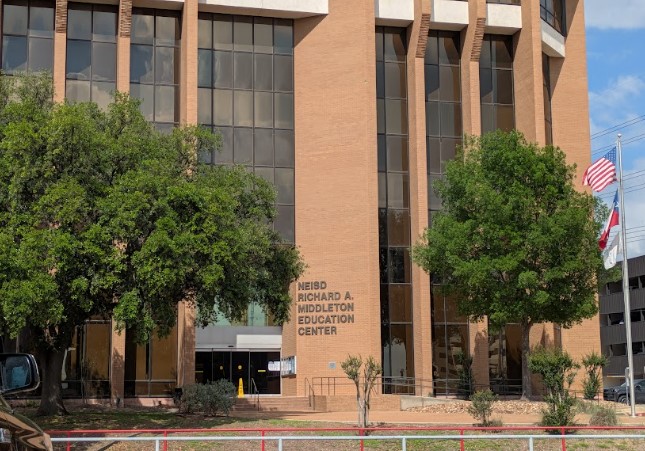
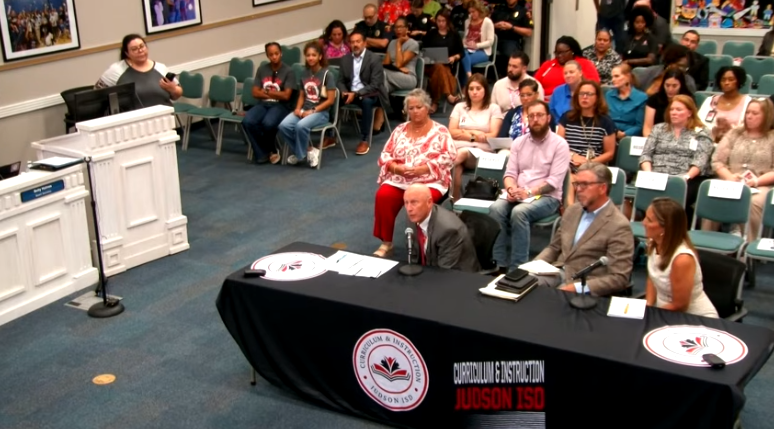
The Judson Independent School District board unanimously voted June 25 to approve a $246 million general fund operating budget for the 2026-2027 academic year.
Judson ISD officials are projecting $239.8 million in general fund revenue, which is higher than the $234 million in general fund income that the district projected in its adopted 2025-2026 school year budget.
However, stagnating student enrollment, a lower intake in property values, and uncertainty surrounding the continuing impact of school vouchers have helped contribute to financial challenges that have resulted in a budget shortfall.
In an effort to close the budget gap, trustees voted in the spring to approve a plan to cut 530-plus positions in addition to the planned closure of four campuses ahead of 2026-27.
Interim Superintendent Robert Jaklich, who is departing JISD on June 30, has said the cuts – which represent vacant positions and the consolidation of other positions – would save the district more than $35 million.
While Judson ISD enters the new academic year with a $6.1 million deficit in the general operating fund budget, Jaklich said $7.4 million that the district is not actually spending in the new budget – or 3% – will be used to balance the budget by the end of 2026-27.
Judson ISD starts the new school year with a $50.6 million fund balance, representing 75 operational days in reserve funds. That number is projected to dip to $44.4 million one year from now.
The district has lost a total of $71.7 million from its fund balance over the last four years, nearly all of it because of overspending in personnel, Jaklich said.
JISD is keeping its total property tax rate at 97.9 cents per $100 valuation. District officials project the average taxpayer’s total bill will be reduced from $1,158 to $1,077 in the next school year mainly because of decreasing property values.
Trustee Jose Macias voiced optimism that the district can close its budget shortfall, but remains worried about keeping schools adequately staffed, as well as other unknowns that may affect the budget down the line.
“We’re talking about our fund balance in not touching it, but there are variables out there that we don’t even know we may need, and expenses that we can’t even anticipate,” he added.
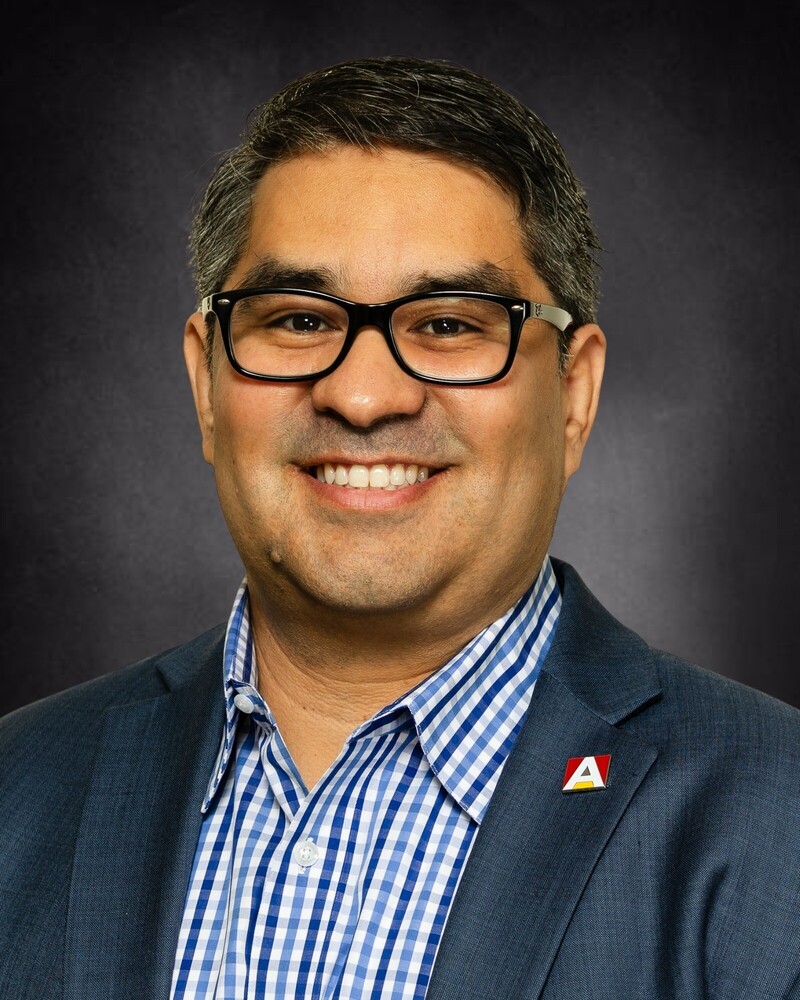
The San Antonio Independent School District board voted June 24 to name Adrian Bustillos the lone finalist for superintendent following a national search that included public input.
Bustillos has spent nearly seven years serving as chief transformation officer for the Aldine Independent School District in the Houston area. He started his education career in 2006 as a science teacher at the El Paso Independent School District, where he subsequently became a campus and then district administrator.
Bustillos holds a bachelor’s degree in biological science from the University of Texas-El Paso, a master’s degree in school leadership, and a doctorate in curriculum and instruction from New Mexico State University.
SAISD board members lauded Bustillos’ record of leading improvement efforts in large school systems with student populations similar to those of SAISD.
“Our community told us they wanted a superintendent who could improve student outcomes, support educators, communicate openly, and build on the strengths that already exist across our district,” SAISD board President Alicia Sebastian said in a statement.
The board’s action triggered a state-mandated 21-day waiting period before a permanent superintendent contract can be approved. Meanwhile, Toni Thompson, SAISD’s current chief of staff, will lead the district as interim superintendent.
The Schertz-Cibolo-Universal City Independent School District board will meet July 9 and 23 when trustees continue to develop the district’s 2026-2027 budget with a goal of closing a budget shortfall that stands north of $11 million.
Board members are looking at $6 million in proposed savings; nearly $4 million in savings are rooted in recommendations forwarded by the district’s operational sustainability committee (OSC), a panel composed of teachers, parents, campus administrators, other district staff, and community members.
The committee’s proposals include downsizing Communities In Schools’ presence in SCUCISD to only Title I campuses, and re-creating a police department to replace the existing program where the district pays Cibolo and Schertz police officers to serve as school resource officers.
However, one OSC idea – to replace librarians with paraprofessionals – is being criticized by some residents such as parent Abigail Gordy, who addressed the SCUCISD board June 16.
Gordy said a two-day training workshop promised by the district will not adequately prepare paraprofessionals to take over for school librarians. She voiced concern that the budget-driven move could adversely affect
“With all due respect, two days of training, followed by occasional touch-base meetings, is not a substitute for the expertise of a librarian. How many of us received our degree in two days?” Gordy said. “Informational literacy isn’t just about managing books. It’s about teaching students how to think critically.”
Another potential cost-saving measure could be changes in up to 21 non-teaching positions including one counseling director, and eight part-time cafeteria support jobs. Of nine campus positions identified among the suggestions, one would be eliminated.
SCUCISD officials said if all proposed savings are approved, the district’s budget deficit could go down to $5.6 million with another $6.6 million in potential savings identified for the 2027-2028 school year and beyond.
Trustees voted June 16 to pass a compensation plan that contains no pay increase, but leaves room for a retention supplement for eligible employees if extra funding becomes available.
SCUCISD officials are also still considering calling a property tax increase election this November. Voters narrowly rejected the district’s property tax hike proposal last November.
The Comal Independent School District board voted June 25 to pass a $355.4 million general fund budget that is based on a 3% salary increase for all employees.
But CISD’s plan to replace its school resource officers from the Bulverde Police Department with Comal County deputies has drawn opposition to a point where nearly 1,400 residents signed a digital petition, calling on the district to keep its arrangement with Bulverde police.
Approved June 25 by the board, the new interlocal agreement increases the Comal County Sheriff’s Office’s presence in CISD schools to 38 deputies, and expands coverage to six additional campuses: Arlon Seay, Bill Brown, and Rahe Bulverde elementary schools, Bulverde and Spring Branch middle schools, and Hill Country College Preparatory High School.
District officials have cited various reasons for the move, including a chance to streamline communication, and capitalize on specialized resources and partnerships.
Detractors said the shift would disrupt levels of security and trust that Bulverde police officers have built up with teachers and students.
“These officers do far more than respond to emergencies. They serve as mentors, role models and positive influences in the lives of our children,” parent Christina Slowey told trustees.